



- Prostate cancer, generics and cost transparency: facts patients should know1782026.01.14
- Zoledronic Acid Injection: Uses, Benefits, and Side Effects for Patients in the Philippines1932026.01.28
- Lung Cancer in the Philippines: Understanding Non-Small Cell Lung Cancer1922026.01.31
- Prostate Cancer Treatment and Access to Medicines in the Asian Countries1252026.03.21
- Get the Best Osimertinib 80 mg Price Online In Makati City1372026.03.05
Lung Cancer in the Philippines: Understanding Non-Small Cell Lung Cancer
2026.01.31According to global cancer research organizations such as the World Health Organization (WHO), lung cancer remains one of the leading causes of cancer-related deaths worldwide, highlighting the importance of early diagnosis and appropriate treatment strategies. Among all diagnosed cases, non-small cell lung cancer (NSCLC) accounts for the majority. Many Filipino patients and caregivers search online for clear, reliable information about the disease, especially after a diagnosis.
Understanding non-small cell lung cancer, its symptoms, and available treatment options is an important step in managing the condition and planning long-term care.
What Is Non-Small Cell Lung Cancer (NSCLC)?
Non-small cell lung cancer is a group of lung cancers that generally grow more slowly than small cell lung cancer. The most common types include adenocarcinoma and squamous cell carcinoma.
In the Philippines, NSCLC is often diagnosed at a later stage, partly because early symptoms may be mild or mistaken for common respiratory conditions. Medical advances have shown that many NSCLC cases are linked to specific genetic mutations, which now guide modern treatment decisions.
Common Symptoms of NSCLC
Symptoms of non-small cell lung cancer may vary depending on how advanced the disease is. Filipino patients commonly report:
Persistent cough
Shortness of breath
Chest pain
Fatigue or weakness
Unexplained weight loss
Coughing up blood in advanced cases
Because these symptoms can overlap with other lung conditions, proper medical testing is essential for accurate diagnosis.

How NSCLC Is Diagnosed in the Philippines
Diagnosis of NSCLC in the Philippines typically involves imaging tests such as chest X-rays, CT scans, or PET scans, followed by a biopsy to confirm cancer.
Today, molecular and genetic testing is increasingly recommended, especially in major hospitals in Metro Manila and other urban areas. These tests help identify mutations that can determine whether targeted therapy may be effective.
Treatment Options for Non-Small Cell Lung Cancer
Treatment for NSCLC depends on the stage of cancer, the patient's overall health, and genetic test results. Common treatment approaches in the Philippines include:
Surgery (for early-stage cancer)
Radiation therapy
Chemotherapy
Targeted therapy
Immunotherapy
Targeted therapy has become an important option for patients with specific mutations, offering a more personalized treatment approach.
Role of Targeted Therapy in NSCLC
Targeted therapies focus on blocking signals that allow cancer cells to grow and spread. These treatments are often taken orally and may be used over an extended period under the guidance of an oncologist.
One commonly prescribed targeted therapy for certain NSCLC cases is Osimertinib . It is often recommended after genetic testing confirms that the patient may benefit from this type of treatment.
Cost and Access Challenges for Filipino Patients
While targeted therapies have improved outcomes, the cost of lung cancer treatment in the Philippines remains a serious concern. Medicines like Osimertinib can be very expensive when purchased from local pharmacies, especially in cities such as Manila, Quezon City, Cebu, and Davao.
Because treatment is long term, many Filipino families look for ways to manage costs without compromising treatment quality.
Accessing Affordable Osimertinib in the Philippines
During their search, some patients learn that generic Osimertinib tablets manufactured in India are widely used in many countries and follow international quality standards. These generic versions contain the same active ingredient and are generally more affordable than branded medicines.
While researching these options, some Filipino patients come across LetsMeds Online Pharmacy , which provides access to Indian generic cancer medicines with delivery across the Philippines. Their services also extend to nearby countries such as Thailand and Malaysia, as well as other regions.
People Also Ask
1. What is non-small cell lung cancer (NSCLC)?
Non-small cell lung cancer is the most common type of lung cancer, accounting for around 80–85% of all cases. It usually grows more slowly than small cell lung cancer and includes subtypes such as adenocarcinoma and squamous cell carcinoma.
2. Is non-small cell lung cancer common in the Philippines?
Yes. Lung cancer is among the leading causes of cancer-related deaths in the Philippines. Many Filipino patients are diagnosed with non-small cell lung cancer, often at an advanced stage due to late detection.
3. What are the early symptoms of NSCLC?
Early symptoms may be mild or unnoticed. Common signs include persistent cough, chest pain, shortness of breath, fatigue, unexplained weight loss, and coughing up blood in later stages.
4. How is non-small cell lung cancer diagnosed?
Diagnosis typically involves imaging tests such as chest X-rays or CT scans, followed by biopsy procedures. Molecular and genetic testing may also be done to identify specific mutations that help guide treatment decisions.
5. What treatment options are available for NSCLC in the Philippines?
Treatment depends on the cancer stage and patient condition. Options may include surgery, radiation therapy, chemotherapy, immunotherapy, and targeted therapy based on genetic mutations.
Conclusion
Non-small cell lung cancer is a serious condition that requires timely diagnosis and personalized treatment. In the Philippines, access and affordability continue to play a major role in treatment decisions.
By first understanding the disease and then exploring available treatment and access options, Filipino patients and caregivers can make more informed choices and reduce financial stress during long-term cancer care.
(This content is for educational purposes only and does not replace professional medical advice.)


-
 죽어야 받는 보험은 옛말, 살아서 꺼내 쓰는 리빙 베네핏의 진실
안녕하세요. 1977년부터 미주 한인 사회와 함께하며 대를 이어 고객의 소중한 자산을 지켜온 한솔보험입니다. 30~40대 전문직이나 자영업자분들과 은퇴 상담을 하다 보면, 주식이…
죽어야 받는 보험은 옛말, 살아서 꺼내 쓰는 리빙 베네핏의 진실
안녕하세요. 1977년부터 미주 한인 사회와 함께하며 대를 이어 고객의 소중한 자산을 지켜온 한솔보험입니다. 30~40대 전문직이나 자영업자분들과 은퇴 상담을 하다 보면, 주식이…
-
 주일 오후 3시 찬양과 은혜의 예배
등불교회 예배 초청주일 오후 3시 / 수요 오전 11시찬양과 말씀, 기도의 예배9888 Garden Grove BlvdGarden Grove, CA 90606담임 김영일 목사32…
주일 오후 3시 찬양과 은혜의 예배
등불교회 예배 초청주일 오후 3시 / 수요 오전 11시찬양과 말씀, 기도의 예배9888 Garden Grove BlvdGarden Grove, CA 90606담임 김영일 목사32…
-
 Where Can I buy Osimertinib Tablet Online in Manila Philippines
Osimertinib 80 mg Tablet at Lower Cost … Why and Where to PurchaseWhen looking for Osimertinib 80 …
Where Can I buy Osimertinib Tablet Online in Manila Philippines
Osimertinib 80 mg Tablet at Lower Cost … Why and Where to PurchaseWhen looking for Osimertinib 80 …
-
급유기추락▶②◀전사 군인들 애도 전쟁은 그냥 놀이터에서 노는 것이 아니라긴장과 두려움들을 애써 감추면서 앞장서는것이 아니라서 출격 명령이 떨어지면 앞뒤로재지 않고 일당백으로 나서야 한다는 사실이!지난 3월12[…
-
 명문대가 로봇공학(Robotics) 특활에 열광하는 진짜 이유
보스턴 에듀케이션 입니다. "앞으로 우리 아이들은 무엇을 어떻게 준비해야 되요?" 학부모님들께 가장 많이 듣는 질문입니다. 불과 몇 년 전만 해도 답은 꽤 단순했습니다. 완벽한 …
명문대가 로봇공학(Robotics) 특활에 열광하는 진짜 이유
보스턴 에듀케이션 입니다. "앞으로 우리 아이들은 무엇을 어떻게 준비해야 되요?" 학부모님들께 가장 많이 듣는 질문입니다. 불과 몇 년 전만 해도 답은 꽤 단순했습니다. 완벽한 …
-
 안양유료출장★♥예약톡:777wa★안양폐이만남㉿안양20대 알바생 대기㉿안양출장마사지㉿안양셔츠루ㅁ
안양유료출장★♥예약톡:777wa★안양폐이만남㉿안양20대 알바생 대기㉿안양출장마사지㉿안양셔츠루ㅁ
안양유료출장★♥예약톡:777wa★안양폐이만남㉿안양20대 알바생 대기㉿안양출장마사지㉿안양셔츠루ㅁ
-
 하와이좋은교회 이야기, HAWAII GOOD CHURCH
https://youtu.be/FJtamYt1SmE?si=VGsR_AUpoz-SBle9
하와이좋은교회 이야기, HAWAII GOOD CHURCH
https://youtu.be/FJtamYt1SmE?si=VGsR_AUpoz-SBle9
-
 주행거리가 레몬법 청구의 '절대 기준'이 아닌 이유
캘리포니아 레몬법 청구에 있어 주행 거리(마일리지)에 따른 절대적인 제한선은 없습니다. 주행 거리가 높더라도 워런티 기간 내에 중대한 결함이 시작되었고 수리 시도에도 불구하고 문…
주행거리가 레몬법 청구의 '절대 기준'이 아닌 이유
캘리포니아 레몬법 청구에 있어 주행 거리(마일리지)에 따른 절대적인 제한선은 없습니다. 주행 거리가 높더라도 워런티 기간 내에 중대한 결함이 시작되었고 수리 시도에도 불구하고 문…
-
 [내 마음의 隨筆] <디지털 연료를 쓰는 시대 — 토큰과 프롬프트의 지혜> 2 of 2
이제 토큰과 프롬프트는 하나의 구조 속에서 이해될 수 있다. 토큰이 자동차의 연료라면, 프롬프트는 그 자동차를 어떻게 운전할지를 결정하는 방향성과 기술이다. 같은 연료를 사용하더…
[내 마음의 隨筆] <디지털 연료를 쓰는 시대 — 토큰과 프롬프트의 지혜> 2 of 2
이제 토큰과 프롬프트는 하나의 구조 속에서 이해될 수 있다. 토큰이 자동차의 연료라면, 프롬프트는 그 자동차를 어떻게 운전할지를 결정하는 방향성과 기술이다. 같은 연료를 사용하더…
-
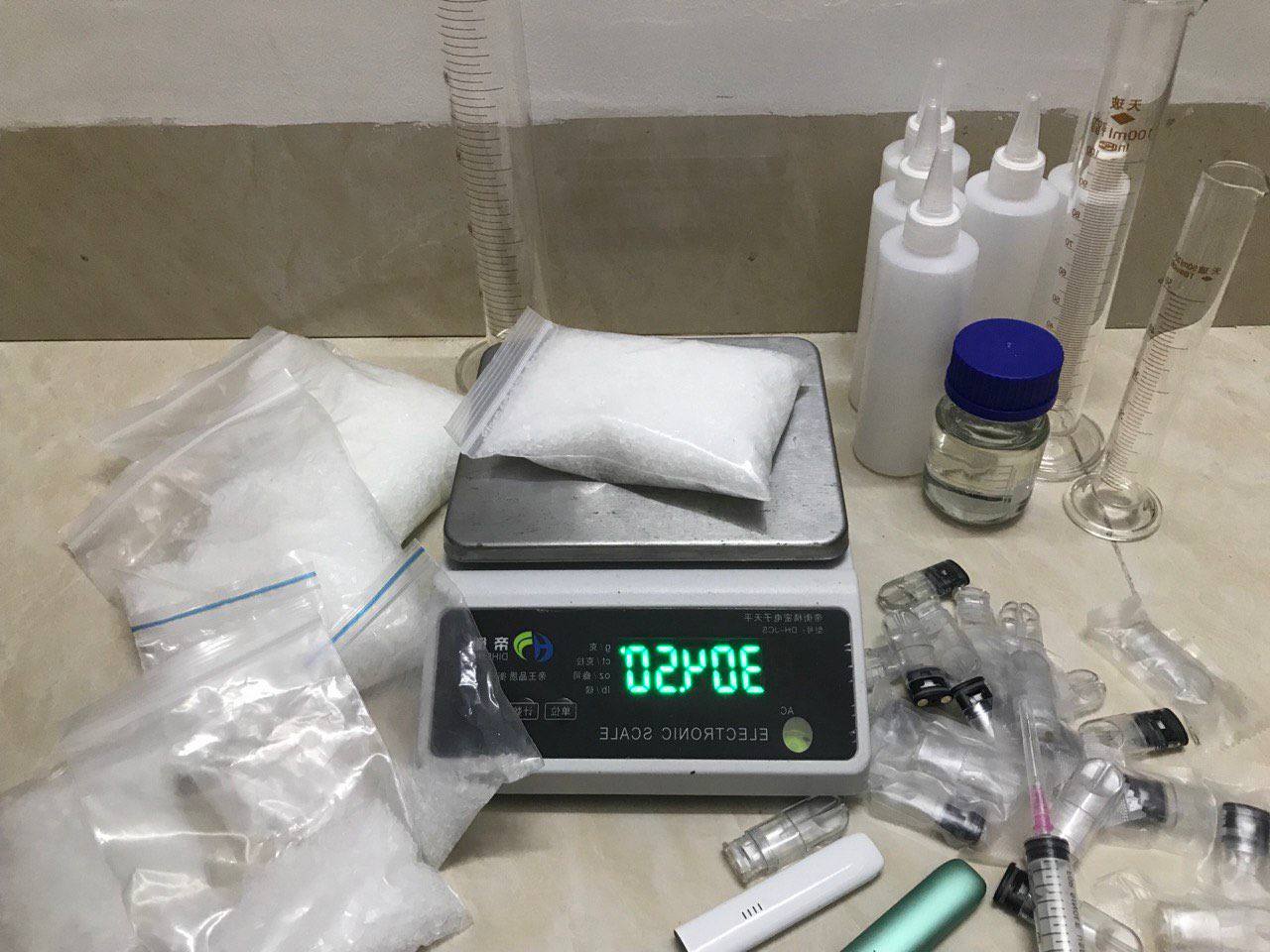 Buy Kpods Vape, buy Etomidate Pods ,order Etomidate,space oil ,CAS: 33125-97-2,order tiletamine , bu
Buy Kpods Vape, buy Etomidate Pods ,order Etomidate,space oil ,CAS: 33125-97-2,order tiletamine , b…
Buy Kpods Vape, buy Etomidate Pods ,order Etomidate,space oil ,CAS: 33125-97-2,order tiletamine , bu
Buy Kpods Vape, buy Etomidate Pods ,order Etomidate,space oil ,CAS: 33125-97-2,order tiletamine , b…

Ktown1번가 대표이메일 webinfo@koreatimes.com | 업소록 문의 yp@koreatimes.com
Powered by The Korea Times. Copyright ©The Korea Times All rights reserved.