


- [내 마음의 隨筆] <삼대륙(三大陸)의 르네상스 인간(人間)과 AI 時代(시대)의 創意的 思考(창의적 사고)>1832026.03.06
- [내 마음의 隨筆] <간이(簡易) 최립(崔岦), 조선(朝鮮)의 르네상스적(的) 창조(創造) 정신(精神)>1522026.03.07
- [An Essay from My Heart] Gani Choi Rip: The Renaissance-Like Creative Spirit of Joseon1052026.03.07
- [An Essay from My Heart] Renaissance Figures of Three Continents and Creative Thinking...662026.03.07
- [私の心の随筆] <簡易崔岦:朝鮮のルネサンス的創造精神>942026.03.07
[An Essay from My Heart] Gani Choi Rip: The Renaissance-Like Creative Spirit of Joseon
2026.03.07[An Essay from My Heart]
<Gani Choi Rip: The Renaissance-Like Creative Spirit of Joseon>
Choi Rip (1539–1612), a literary figure of the mid-Joseon period whose pen name was Gani, was not merely an outstanding poet or scholar. He was a creative intellectual who opened new paths across many fields, including literature, philosophy, education, diplomacy, and thought. In the West, figures such as Leonardo da Vinci and Benjamin Franklin exemplified the Renaissance-type human ideal. In Joseon, it may be said that Gani Choi Rip came close to such a figure. Rather than merely following existing scholarship, he created new paths himself within the spirit of his time.
Looking back on his life, we can observe many attempts that were creative and pioneering for their time in Joseon society. These can be summarized in ten points as follows.
First, he was one of the figures who opened a new horizon in the creation of classical Chinese poetry in Joseon. Going beyond simple imitation, he developed a poetic style filled with individuality and reflection, which greatly influenced later literary figures.
Second, he emphasized the free spirit of self-expression through literature. Even within the strict Neo-Confucian literary climate of the time, he attempted writing that naturally revealed human emotions and thought.
Third, he was an integrated intellectual who explored East Asian humanistic learning in a comprehensive way. Beyond Confucian studies, he widely studied history, literature, philosophy, and the arts, crossing the boundaries of scholarship.
Fourth, through diplomatic documents and literary exchanges, he showed an early example of an intellectual with an international perspective. In exchanges with envoys from China, he played a role in widely demonstrating the high level of Joseon literary culture.
Fifth, he reinterpreted the life of the scholar-gentleman not as one centered solely on government office but as one centered on intellectual and cultural activities. This showed a new direction for Joseon literati culture.
Sixth, he was a teacher who emphasized creative thinking in the education of younger scholars. Rather than rote memorization learning, he demonstrated an attitude of developing knowledge through reflection and discussion.
Seventh, he actively expressed philosophical reflection through nature within literature. His poetic attitude of seeking the meaning of human life within natural scenery well illustrates the spirit of Eastern humanistic thought.
Eighth, he developed contemplative prose that combined literature and philosophy. Going beyond mere records or arguments, he left writings that united reflection and emotion.
Ninth, he demonstrated a model of the scholar-gentleman spirit that emphasized personal dignity and scholarly independence. This presented an ethical standard for intellectuals to later scholars.
Tenth, he showed the possibility of viewing Joseon literature within the broader tradition of world humanistic culture. Through his life and writings, we can confirm that a Renaissance-type human ideal also existed in Joseon.
Thus, Gani Choi Rip was not merely a poet but a creative intellectual who sought new paths beyond the framework of his time. He was a pioneer who pursued scholarship, art, and the dignity of humanity together within Joseon society.
The reason we look back on his life today is not simply to commemorate a historical figure. Rather, it is because it reminds us how important creativity and integrative thinking remain in today’s rapidly changing modern society.
The life of Gani Choi Rip quietly tells us something: a new era always begins with the thought and courage of a single person who goes beyond the existing framework. ***
March 7, 2026
At Sungsunjae (崇善齋)
{Solti}
한국어 번역: https://www.ktown1st.com/blog/VALover/348575
日本語 飜譯:


-
 곡성출장홈타이™20대™라인:LUP25™곡성유흥업소™곡성룸싸룽™곡성여대생출장안마™곡성출장만남후기™
곡성출장…
곡성출장홈타이™20대™라인:LUP25™곡성유흥업소™곡성룸싸룽™곡성여대생출장안마™곡성출장만남후기™
곡성출장홈타이™20대™라인:LUP25™곡성유흥업소™곡성룸싸룽™곡성여대생출장안마™곡성출장만남후기™곡성출장…
-
 하와이에서 주일예배 드리기
https://youtu.be/aX77nWP6uoE?si=HwQ433XZO9myT_Ot
하와이에서 주일예배 드리기
https://youtu.be/aX77nWP6uoE?si=HwQ433XZO9myT_Ot
-
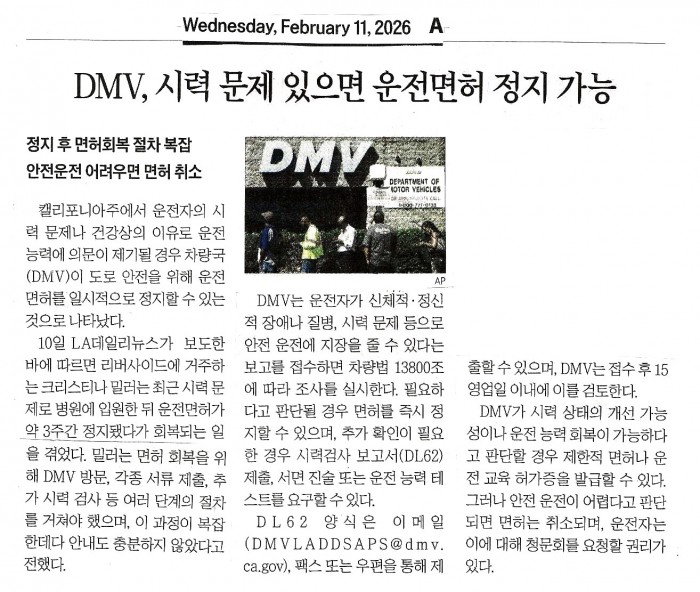 점점 달라지는 자동차 법령
나이를 먹어 가면서 가장 어려운 것은타고 다니는 자동차에 관련된 법령이다.점점 옥죄어 들어오는 과정들이 참으로견디기에는 힘이 들고 여러가지 어려움.나이가 드니 방어 능력도 덩달아…
점점 달라지는 자동차 법령
나이를 먹어 가면서 가장 어려운 것은타고 다니는 자동차에 관련된 법령이다.점점 옥죄어 들어오는 과정들이 참으로견디기에는 힘이 들고 여러가지 어려움.나이가 드니 방어 능력도 덩달아…
-
 성동구≤전국구 출장안마≥라인:LUP25√성동구출장콜걸√성동구출장마사지√성동구모텔출장알바√성동구24시예약상담√
 성동…
성동구≤전국구 출장안마≥라인:LUP25√성동구출장콜걸√성동구출장마사지√성동구모텔출장알바√성동구24시예약상담√
성동구≤전국구 출장안마≥라인:LUP25√성동구출장콜걸√성동구출장마사지√성동구모텔출장알바√성동구24시예약상담√ 성동…
-
 프로의 융자노트 리버스 모기지, 무조건 좋을까요? 내 건강과 상황에 맞는 팩트 체크!
안녕하세요. 한국일보 독자 여러분 스티브 양입니다. 한국일보 컬럼에서 은퇴 후 내 집을 든든한 연금으로 활용하는 리버스 모기지의 기본 개념에 대해 알아보았습니다. 상담을 하다 …
프로의 융자노트 리버스 모기지, 무조건 좋을까요? 내 건강과 상황에 맞는 팩트 체크!
안녕하세요. 한국일보 독자 여러분 스티브 양입니다. 한국일보 컬럼에서 은퇴 후 내 집을 든든한 연금으로 활용하는 리버스 모기지의 기본 개념에 대해 알아보았습니다. 상담을 하다 …
-
 故이금순여사님▶◀애도 드림
자전거를 타고 귀가 중이셨던 여사님.아마도 입속에서 하모니카를 불면서익혔던 박자들을 맞춰 가면서 망중한혼자만의 시간에 열중하셨을 여사님.이제는 인간 세상의 소풍들을 마치고올라 오…
故이금순여사님▶◀애도 드림
자전거를 타고 귀가 중이셨던 여사님.아마도 입속에서 하모니카를 불면서익혔던 박자들을 맞춰 가면서 망중한혼자만의 시간에 열중하셨을 여사님.이제는 인간 세상의 소풍들을 마치고올라 오…
-
 Dry Type Transformer Manufacturer & Supplier Delhi NCR
Top Dry Type Transformer Manufacturer & Supplier in Delhi NCR: Powering Your Business SafelyIn the …
Dry Type Transformer Manufacturer & Supplier Delhi NCR
Top Dry Type Transformer Manufacturer & Supplier in Delhi NCR: Powering Your Business SafelyIn the …
-
 The heart that tends the flowers Lyrics by Don Kim
 When the sun rises slowly I learn devotion, tend…
The heart that tends the flowers Lyrics by Don Kim
The heart that tends the flowers Lyrics by Don Kim When the sun rises slowly I learn devotion, tend…
-
 발칙한▨①▧생각들
엄연한 단체 생활을 하는 곳인 시니어아파트에서의 웃지 못할 모습들이 종종눈에 띄는 과정들로서 눈살를 찌푸리게경우가 없지 않는 곳이 시니어아파트다.더군다나 타민족과 뒤엉켜서 살다 …
발칙한▨①▧생각들
엄연한 단체 생활을 하는 곳인 시니어아파트에서의 웃지 못할 모습들이 종종눈에 띄는 과정들로서 눈살를 찌푸리게경우가 없지 않는 곳이 시니어아파트다.더군다나 타민족과 뒤엉켜서 살다 …
-
 Prostate Cancer Treatment and Access to Medicines in the Asian Countries
Prostate cancer is one of the most common cancers affecting men worldwide. It develops in the prost…
Prostate Cancer Treatment and Access to Medicines in the Asian Countries
Prostate cancer is one of the most common cancers affecting men worldwide. It develops in the prost…

Ktown1번가 대표이메일 webinfo@koreatimes.com | 업소록 문의 yp@koreatimes.com
Powered by The Korea Times. Copyright ©The Korea Times All rights reserved.