
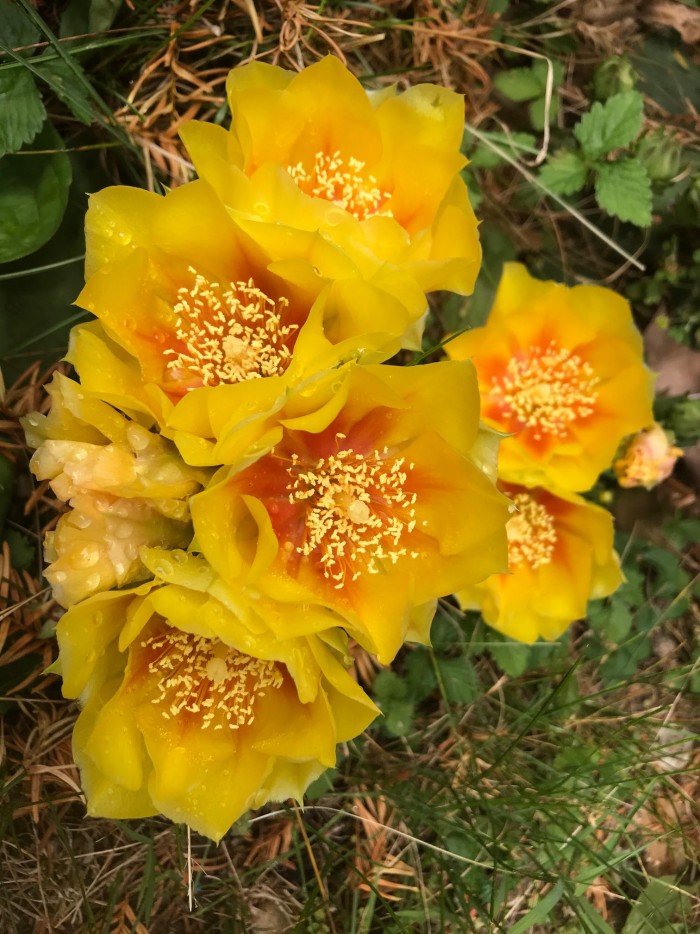


- [An Essay from My Heart] Two Months: Not a Tour, but a Turning Point1742026.02.24
- [내 마음의 隨筆] <공과 사를 구분하는 지혜>1652026.02.24
- [An Essay from My Heart] The Wisdom of Distinguishing Between the Public and the Private1212026.02.24
- [An Essay from My Heart] After Reading Korea at War1472026.02.26
- [내 마음의 隨筆] KOREA AT WAR를 읽고1512026.02.26
[An Essay from My Heart] The Wisdom of Distinguishing Between the Public and the Private
2026.02.24[An Essay from My Heart]
<The Wisdom of Distinguishing Between the Public and the Private>
We cross invisible boundaries dozens of times each day. From the moment we leave home, we are someone’s parent or child, and at the same time a colleague at work and a citizen of society. Within a single person, many roles coexist. Yet when those roles become entangled, life easily falls into confusion. Distinguishing clearly between the public and the private is not merely a matter of etiquette; it is a matter of order that sustains our lives.
When emotions from the workplace spill over unchanged into the home, and conflicts at home in turn cloud our public judgment, we begin to exhaust our own lives. If personal affection or private feelings become the standard in public settings, trust quickly begins to crack. If we bring public tension and competition into our private spaces, the heart loses its place of rest. The more blurred the boundary between the public and the private becomes, the more a person loses his or her center, and relationships begin to waver. Yet the moment we firmly establish that boundary, life regains its balance. This is not a matter of coldly drawing lines, but of respecting the unique value inherent in each sphere—a mark of maturity.
In the Eastern classic Great Learning, there is a well-known phrase: “Cultivate oneself, regulate the family, govern the state, and bring peace to the world” (修身齊家治國平天下). It means that one must first set oneself in order, then manage the family, then govern the nation, and bring harmony to the world. This sentence embodies the wisdom of distinguishing between the private and the public step by step, while acknowledging the order within each realm. If personal cultivation belongs to the private sphere, governing a nation belongs to the public sphere. The two are connected, yet they must never be confused.
When tough times come, we are easily swept away by emotion. Feelings of injustice, anger, and hurt attempt to take the place of judgment. Yet public matters must be addressed in the language of principles and responsibility, while private wounds must be resolved in the language of understanding and forgiveness. A person who knows how to distinguish between the two does not collapse in times of crisis. He views problems not through emotion but through standards, and he accomplishes what must be done without damaging relationships. Such an attitude gives birth to trust—and trust, in turn, becomes the strength that protects him.
At times I reflect that many of life’s conflicts arise not because situations are inherently complex, but because the boundary between the public and the private has grown unclear. A small misunderstanding can escalate into conflict when carried into the public arena; public criticism can become a personal wound when received as a private attack. Yet the moment we ask ourselves, “Is this a public judgment or a private emotion?” the heart steps back. That single step of distance—that space we create within ourselves—is wisdom.
To distinguish between the public and the private is not to become cold; rather, it is to assume a deeper sense of responsibility. In public settings, we set aside personal likes and dislikes. In private settings, we stop calculating and respond with sincerity. That balance is the mark of maturity. In the end, the force that makes life steady and resilient does not come from grand abilities, but from such small acts of discernment.
When we observe those who endure difficult seasons well, we find that they possess clear standards within. They respect emotions, yet entrust judgment to principles. They protect relationships, yet do not evade responsibility. The wisdom of distinguishing between the public and the private is like the rudder that holds a ship steady when fierce winds blow. As long as we grip that rudder firmly, we will find our rightful course, no matter how turbulent the sea is. ***
February 24, 2026
At Sungsunjae (崇善齋)
{Solti}
한국어 번역: https://www.ktown1st.com/blog/VALover/348477



- 15월안의▶◀화장 …
- 2영혼심판
- 3Enzalutam…
- 4우즐성 1 1할인…
- 5England
- 6여주주즙
- 7동성연애
- 8킹제임스성경
- 9캠트레일
- 10국
-
 이 야심한 밤에?
보통 시니어 아파트는 오후 5시만 되면일찍 저녁을 들고서 짧은 여유시간들을보내고 나면 누구라고 할 것 없이 잠잘준비에 들곤 해서 복도에는 어느덧 정적만이 고요하게 들 뿐이고 가끔…
이 야심한 밤에?
보통 시니어 아파트는 오후 5시만 되면일찍 저녁을 들고서 짧은 여유시간들을보내고 나면 누구라고 할 것 없이 잠잘준비에 들곤 해서 복도에는 어느덧 정적만이 고요하게 들 뿐이고 가끔…
-
 하와이에서 주일예배 드리기
https://youtu.be/aX77nWP6uoE?si=HwQ433XZO9myT_Ot
하와이에서 주일예배 드리기
https://youtu.be/aX77nWP6uoE?si=HwQ433XZO9myT_Ot
-
 은퇴 자금의 두 얼굴, 실제 가치(Cash)와 소득 기준(Income Base)의 차이
예측 불가능한 경제 상황과 롤러코스터 같은 주식 시장 속에서, 많은 은퇴 예정자가 "내 돈을 지키면서도 평생 마르지 않는 수입을 만들 수 있을까?"를 고민합니다. 401(k)나…
은퇴 자금의 두 얼굴, 실제 가치(Cash)와 소득 기준(Income Base)의 차이
예측 불가능한 경제 상황과 롤러코스터 같은 주식 시장 속에서, 많은 은퇴 예정자가 "내 돈을 지키면서도 평생 마르지 않는 수입을 만들 수 있을까?"를 고민합니다. 401(k)나…
-
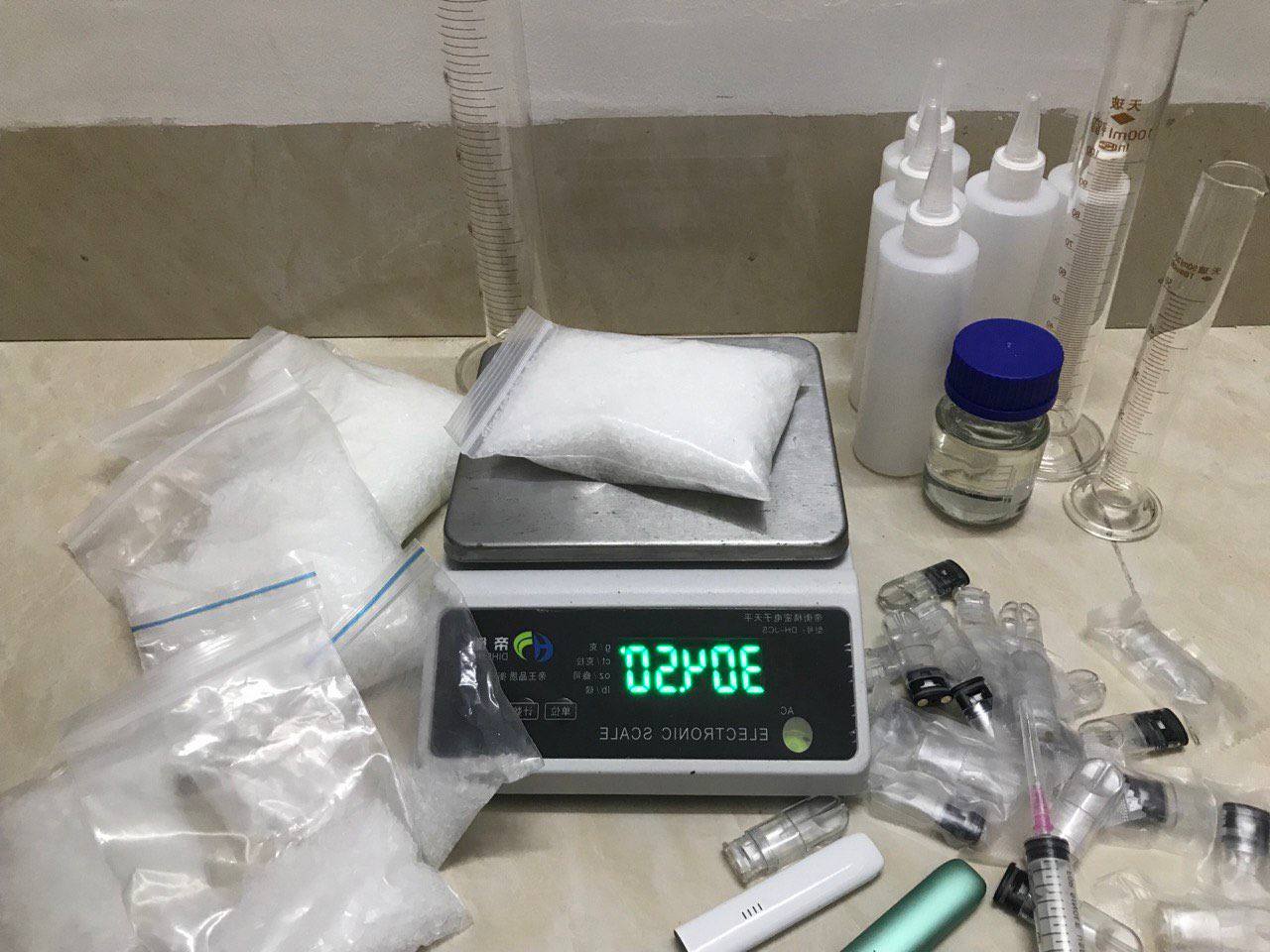 Buy Kpods Vape, buy Etomidate Pods ,order Etomidate,space oil ,CAS: 33125-97-2,order tiletamine , bu
Buy Kpods Vape, buy Etomidate Pods ,order Etomidate,space oil ,CAS: 33125-97-2,order tiletamine , b…
Buy Kpods Vape, buy Etomidate Pods ,order Etomidate,space oil ,CAS: 33125-97-2,order tiletamine , bu
Buy Kpods Vape, buy Etomidate Pods ,order Etomidate,space oil ,CAS: 33125-97-2,order tiletamine , b…
-
 캘리포니아에서 식당 임대할 때 꼭 알아야 할 7가지 Tip
캘리포니아에서 식당 자리 찾을 때, 월 렌트비만 보고 계약하면 큰일 납니다.좋은 위치보다 먼저 확인해야 할 것이 있습니다. 1. 이 공간이 실제로 식당 허가가 가능한 자리인지 확…
캘리포니아에서 식당 임대할 때 꼭 알아야 할 7가지 Tip
캘리포니아에서 식당 자리 찾을 때, 월 렌트비만 보고 계약하면 큰일 납니다.좋은 위치보다 먼저 확인해야 할 것이 있습니다. 1. 이 공간이 실제로 식당 허가가 가능한 자리인지 확…
-
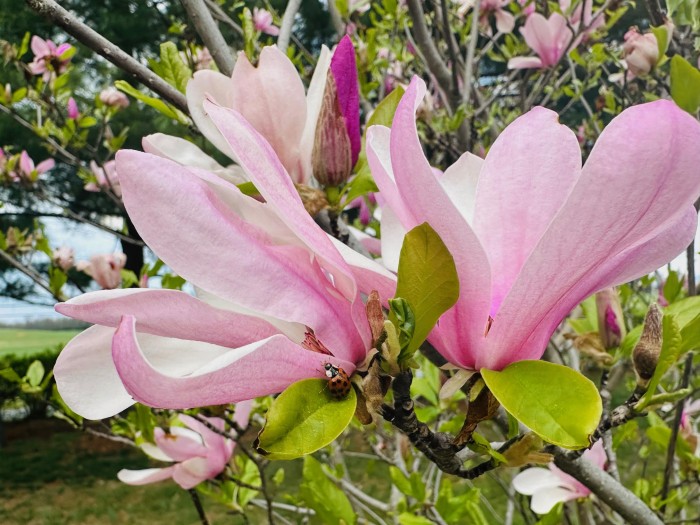 [私の心の随筆] <復活の木蓮>
[私の心の随筆]<復活の木蓮>早春のある日、厳しい雪と冷たい気配が過ぎ去った後、裏庭の木蓮はまるで傷を負った存在のように、静かに佇んでいた。かつては高貴で優雅な紫色の花びらが空へ向かって咲き誇ってい…
[私の心の随筆] <復活の木蓮>
[私の心の随筆]<復活の木蓮>早春のある日、厳しい雪と冷たい気配が過ぎ去った後、裏庭の木蓮はまるで傷を負った存在のように、静かに佇んでいた。かつては高貴で優雅な紫色の花びらが空へ向かって咲き誇ってい…
-
 올해도 4%의 벽… Class of 2030 명문대 합격률이 남긴 뼈아픈 교훈과 여름방학 전략
안녕하세요. 캘리포니아 맞춤형 입시 전문, 보스턴 에듀케이션입니다. 최근 전 세계 학부모님들이 기다리시던 아이비 데이(Ivy Day)를 기점으로 올해(Class of 2030) …
올해도 4%의 벽… Class of 2030 명문대 합격률이 남긴 뼈아픈 교훈과 여름방학 전략
안녕하세요. 캘리포니아 맞춤형 입시 전문, 보스턴 에듀케이션입니다. 최근 전 세계 학부모님들이 기다리시던 아이비 데이(Ivy Day)를 기점으로 올해(Class of 2030) …
-
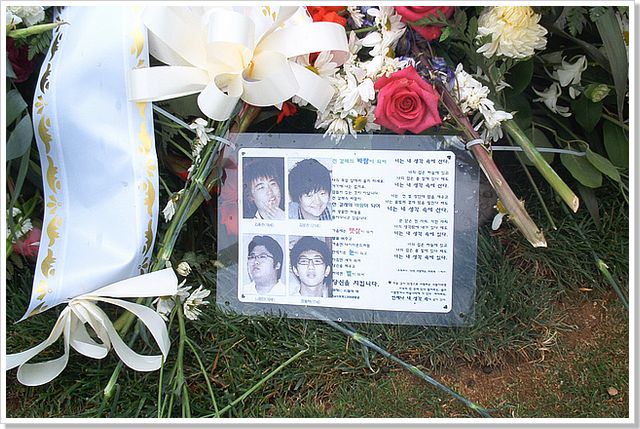 얘들아~! 잘 지내니?
돌아오는 4월11[토]일은 너희 4총사가한 날에 이 세상을 떠난 지 벌써 18년이되는 날인데 모두들 가족들의 돌봄으로그 곳에서 잘 지내고 있을 것이라 생각하면서도 그 시절에는 그…
얘들아~! 잘 지내니?
돌아오는 4월11[토]일은 너희 4총사가한 날에 이 세상을 떠난 지 벌써 18년이되는 날인데 모두들 가족들의 돌봄으로그 곳에서 잘 지내고 있을 것이라 생각하면서도 그 시절에는 그…
-
 이민국 정책메모, F-1 유학생들에게 무엇이 가장 위험한가?
2026년 5월 22일 발표된 USCIS 정책메모 PM-602-0199는 단순한 행정지침 이상의 의미를 갖고 있습니다.…
이민국 정책메모, F-1 유학생들에게 무엇이 가장 위험한가?
이민국 정책메모, F-1 유학생들에게 무엇이 가장 위험한가?2026년 5월 22일 발표된 USCIS 정책메모 PM-602-0199는 단순한 행정지침 이상의 의미를 갖고 있습니다.…
-
 Threema ID: FA8K9CNT /依托咪酯 我有技术 | 我要技术 CAS:33125-97-2 ,英文名 , etomidate ,space oil ,CAS: 33125-97-2
Threema ID: FA8K9CNT Signal ID: Drmcdonald.52 Email ..Evgglobalchemist@proton.me Session ID:0…
Threema ID: FA8K9CNT /依托咪酯 我有技术 | 我要技术 CAS:33125-97-2 ,英文名 , etomidate ,space oil ,CAS: 33125-97-2
Threema ID: FA8K9CNT Signal ID: Drmcdonald.52 Email ..Evgglobalchemist@proton.me Session ID:0…

Ktown1번가 대표이메일 webinfo@koreatimes.com | 업소록 문의 yp@koreatimes.com
Powered by The Korea Times. Copyright ©The Korea Times All rights reserved.