
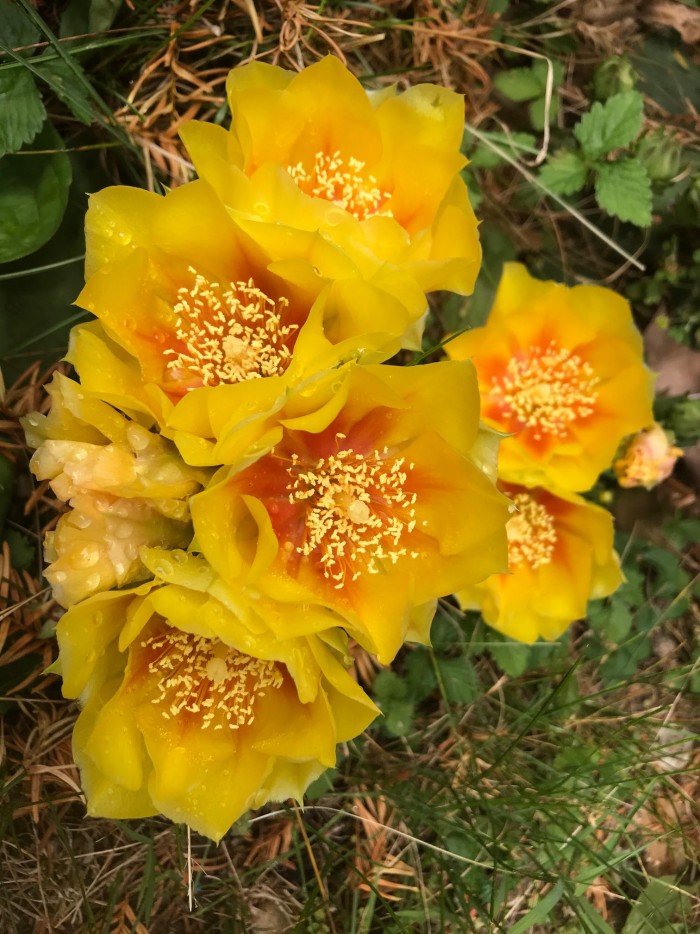


- [An Essay from My Heart] Humanity and the World in a Single Sentence: Ten ...1402026.02.19
- [내 마음의 隨筆] <두 개의 봄, 두 개의 마음>2022026.02.21
- [An Essay from My Heart] Two Springs, Two Spirits1102026.02.21
- [An Essay from My Heart] Spring Comes Without Fail842026.02.21
- [내 마음의 隨筆] <봄은 어김없이 온다>1052026.02.21
[An Essay from My Heart] Two Springs, Two Spirits
2026.02.21[An Essay from My Heart]
<Two Springs, Two Spirits>
— Between Spring in Korea and Spring in Virginia
Spring arrives everywhere. Yet the way it is welcomed reflects the history, culture, and inner temperament of the land. Having experienced both spring in Korea and spring in Virginia, I have come to see how the same season can bloom with entirely different expressions. One unfolds within the shared memory of community, the other settles quietly into the rhythms of individual life.
1. Spring in Korea — A Season of Communal Memory and Ritual
In Korea, spring is not merely a natural phenomenon. It is a philosophy of time shaped by centuries of agrarian life and collective rhythm. When the first blossoms appear—plum flowers, azaleas, forsythia—people declare, “Spring has come.” The season signals not only warmer air but renewal within households and society. Homes are cleaned, old energies are cast away, and families prepare for new beginnings together.
Influenced by Confucian tradition, the changing seasons have long been connected to moral order and responsibility. The cycle of sowing and harvesting symbolized diligence and accountability. Thus, spring was not only about hope but also about preparation and duty. Students begin a new academic year; workplaces experience personnel changes; society as a whole seems to stand simultaneously at a new starting line. Spring in Korea is collective—it is a shared departure.
Moreover, Korean spring carries the warmth of jeong—deep relational affection. Families and friends gather under cherry blossoms, share food outdoors, and hike through mountains painted with pink azaleas. Nature becomes a space of togetherness. It is not merely observed; it is experienced collectively. Spring strengthens bonds.
2. Spring in Virginia — A Season of Personal Reflection and Renewal
By contrast, spring in Virginia feels quieter and more individual. Walking through the historic streets of Williamsburg or along the shores of Virginia Beach, one senses that people do not observe spring through communal rituals but through personal rhythms. Lawns are trimmed, gardens are tended, and individuals take long walks in the mild sunlight.
The American cultural inheritance—particularly its Protestant and individualistic roots—often views nature as a setting for personal reflection. As Henry David Thoreau once sought solitude in nature to discover the self, spring here becomes a backdrop for inward renewal. Some jog along rivers; others sit quietly with a book beneath budding trees. Nature is less at a communal stage and more a contemplative space.
Virginia’s spring carries a sense of practicality and autonomy. As the weather warms, people adjust their routines, repair their homes, and rebalance their lives. There may be no collective “spring ceremony,” yet each individual greets the season in his or her own way. Unlike Korea’s synchronized renewal, Virginia’s spring unfolds at different tempos.
3. A Philosophical Contrast Between East and West
If Korea’s spring is relational and collective, Virginia’s spring is personal and autonomous. In Korea, nature is deeply intertwined with social rhythm; the changing season reshapes communal life. In Virginia, nature often serves as a catalyst for individual introspection.
One spring emphasizes moving forward together: the other highlights beginning anew on one’s own terms. Neither is superior. Each has blossomed from distinct historical and philosophical soil.
4. What the Two Springs Have Taught Me
From Korea’s spring, I learn the beauty of shared beginnings—the strength of walking forward together. From Virginia’s spring, I learn the value of quiet balance and inward renewal. One teaches connection; the other, reflection.
Though their expressions differ, both springs carry the same essential message: winter passes, and life begins again. Whether in the collective laughter beneath blooming trees in Korea or in the solitary sunlight falling across a Virginia lawn, spring lights the human heart with hope.
And standing between these two worlds, I find my perspective widened—grateful for the communal warmth of one and the contemplative calm of the other.
February 21, 2026
At Sungsunjae (崇善齋)
{Solti}
한국어 번역: https://www.ktown1st.com/blog/VALover/348456


-
 Buy Kpods Vape, buy Etomidate Pods , order Etomidate,space oil ,CAS: 33125-97-2
Buy Kpods Vape, buy Etomidate Pods in New Zealand - order Etomidate,space oil ,CAS: 33125-97-2 ,Eto…
Buy Kpods Vape, buy Etomidate Pods , order Etomidate,space oil ,CAS: 33125-97-2
Buy Kpods Vape, buy Etomidate Pods in New Zealand - order Etomidate,space oil ,CAS: 33125-97-2 ,Eto…
-
 어떤 꽃은 일찍 진다
 (May 11, 2026)오늘 아침 일찍 아동병원의 간…
어떤 꽃은 일찍 진다
어떤 꽃은 일찍 진다 (May 11, 2026)오늘 아침 일찍 아동병원의 간…
-
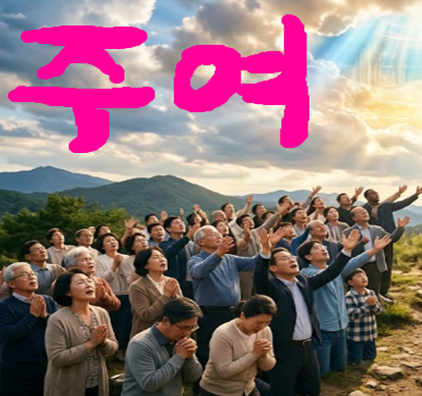 주의 이름을 부르는 자는 누구나 구원 받는다.--베드로와 사도바울. 반대로 주여 주여 한다고 모두 천국 가는 것 아니다.--예수님.
---사도행전 2장.--주의 이름을 부르는 자는…
주의 이름을 부르는 자는 누구나 구원 받는다.--베드로와 사도바울. 반대로 주여 주여 한다고 모두 천국 가는 것 아니다.--예수님.
주의 이름을 부르는 자는 누구나 구원 받는다.--베드로와 사도바울. 반대로 주여 주여 한다고 모두 천국 가는 것 아니다.--예수님.---사도행전 2장.--주의 이름을 부르는 자는…
-
 [내 마음의 隨筆] 언어 장벽이 사라진 시대, 우리는 더 잘 이해하고 있는가 - 1 of 2
최근 자동번역 기술의 급속한 발전은 우리의 일상을 조용하지만 근본적으로 바꾸고 있다. 특히 X (구 Twitter)에서 도입된 실시간 번역 기능은 서로 다른 언어를 사용하는 사람…
[내 마음의 隨筆] 언어 장벽이 사라진 시대, 우리는 더 잘 이해하고 있는가 - 1 of 2
최근 자동번역 기술의 급속한 발전은 우리의 일상을 조용하지만 근본적으로 바꾸고 있다. 특히 X (구 Twitter)에서 도입된 실시간 번역 기능은 서로 다른 언어를 사용하는 사람…
-
 모든 시스템의 내면성 2 - 몸과 마음의 연기 @drsimonshin
-
 Buy Kpods Vape, buy Etomidate Pods ,order Etomidate,space oil ,CAS: 33125-97-2,order tiletamine , bu
Buy Kpods Vape, buy Etomidate Pods ,order Etomidate,space oil ,CAS: 33125-97-2,order tiletamine , b…
Buy Kpods Vape, buy Etomidate Pods ,order Etomidate,space oil ,CAS: 33125-97-2,order tiletamine , bu
Buy Kpods Vape, buy Etomidate Pods ,order Etomidate,space oil ,CAS: 33125-97-2,order tiletamine , b…
-
 곡성출장홈타이™20대™라인:LUP25™곡성유흥업소™곡성룸싸룽™곡성여대생출장안마™곡성출장만남후기™
곡성출장…
곡성출장홈타이™20대™라인:LUP25™곡성유흥업소™곡성룸싸룽™곡성여대생출장안마™곡성출장만남후기™
곡성출장홈타이™20대™라인:LUP25™곡성유흥업소™곡성룸싸룽™곡성여대생출장안마™곡성출장만남후기™곡성출장…
-
 프리웨이 차선변경사고, 30,000달러 보상
피해자는 프리웨이를 운행하던 중 차선 변경을 했고, 상대방 차량도 차선변경을 진행하다가 교통사고가 발생했습니다.가해자인 상대방 차량도 피해자 과실로 사고가 발생했다고 주장하면서 …
프리웨이 차선변경사고, 30,000달러 보상
피해자는 프리웨이를 운행하던 중 차선 변경을 했고, 상대방 차량도 차선변경을 진행하다가 교통사고가 발생했습니다.가해자인 상대방 차량도 피해자 과실로 사고가 발생했다고 주장하면서 …
-
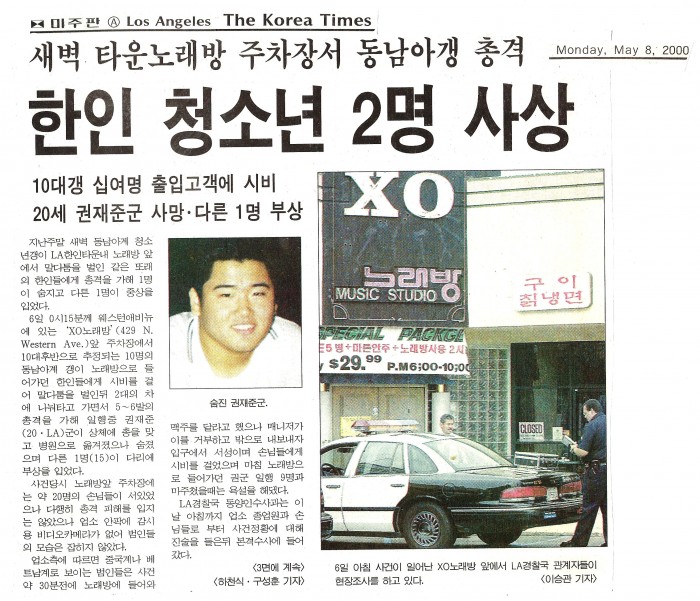 불행한 사고로 인하여~
5월은 각종 행사들이 줄줄이 엮어지는그러나 너무나도 들뜬 기분으로 맞이한비슷한 모양새의 불행한 사고로 세상을떠난 젊은이들이 생각나게 하는 달이라여러모로 상기하며 추모해주고 싶어서…
불행한 사고로 인하여~
5월은 각종 행사들이 줄줄이 엮어지는그러나 너무나도 들뜬 기분으로 맞이한비슷한 모양새의 불행한 사고로 세상을떠난 젊은이들이 생각나게 하는 달이라여러모로 상기하며 추모해주고 싶어서…
-
 네이쳐메딕 후코이단 | 최대 $880 혜택 어머니와 아버지를 위한 특별 행사 5/1-6/21
가정의 달을 맞아, 네이쳐메딕 후코이단을 가장 특별한 혜택으로 만나보세요—최대 $880 절약과 $25 인스턴트 쿠폰까지, 5월 1일부터 6월 21일까지 한정 진행됩니다…
네이쳐메딕 후코이단 | 최대 $880 혜택 어머니와 아버지를 위한 특별 행사 5/1-6/21
가정의 달을 맞아, 네이쳐메딕 후코이단을 가장 특별한 혜택으로 만나보세요—최대 $880 절약과 $25 인스턴트 쿠폰까지, 5월 1일부터 6월 21일까지 한정 진행됩니다…

Ktown1번가 대표이메일 webinfo@koreatimes.com | 업소록 문의 yp@koreatimes.com
Powered by The Korea Times. Copyright ©The Korea Times All rights reserved.