


- [私の心の随筆] <時代精神を疑え:崔岦の静観、時代を超えて>882026.03.17
- [내 마음의 隨筆] <늦추위 속에서 피어나는 정관(靜觀)의 봄>1352026.03.18
- [An Essay from My Heart] < The Spring of Contemplation Blooming Amid the Late Cold>1082026.03.18
- [내 마음의 隨筆] <뒤뜰(後庭)에서 시작(始)되는 하루(一天)의 사색(思索)>1352026.03.21
- [私の心の随筆] <遅い寒さの中で咲く静観の春>902026.03.18
[An Essay from My Heart] < The Spring of Contemplation Blooming Amid the Late Cold>
2026.03.18[An Essay from My Heart]
< The Spring of Contemplation Blooming Amid the Late Cold>
In the early dawn, as I stepped into the backyard, the scene that greeted me was hushed, yet quietly charged with a subtle tension. The lingering chill of a late cold spell, having seeped in overnight, seemed to pause the breath of spring itself, leaving even the air frozen in a crystal-like stillness.
At the center of this fragile stillness stood the magnolia, which had until recently bloomed with graceful elegance. Now it drew into itself beneath the cold, as if embodying the human figure standing before an unexpected trial. Its beauty, in that moment, felt all the more poignant.
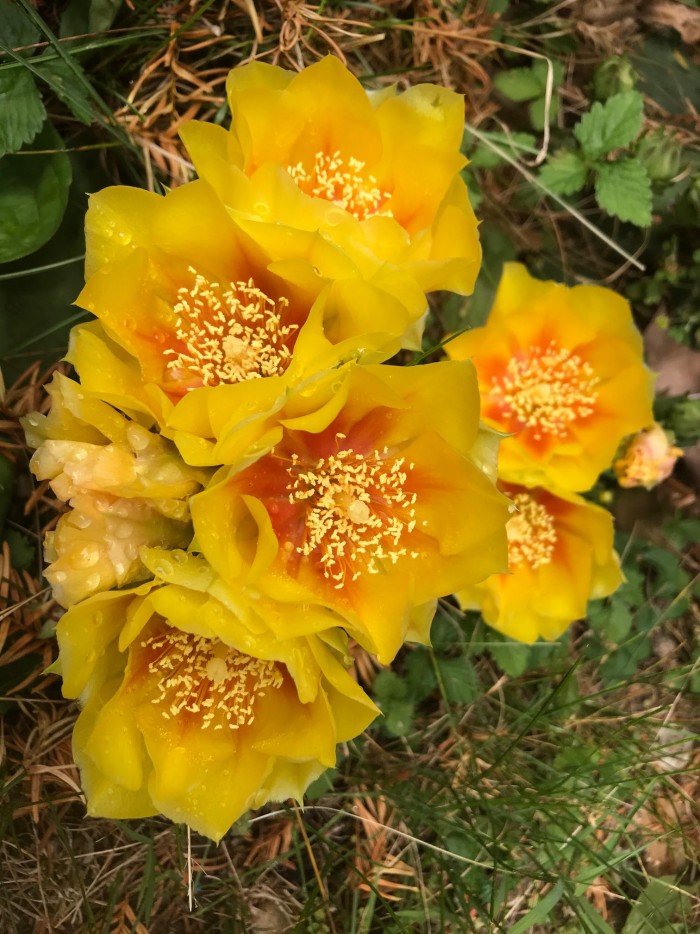
The forsythia, radiant in its golden brilliance, trembled in the wind as though striving not to lose its light, while the pure and gentle daffodils bowed their heads slightly, enduring in quiet resilience. All of nature’s beings were receiving the cold in their own silent ways.
Even the hyacinths, just having unveiled their deep violet blossoms, were not spared. The chill that descended upon the tender joy of their beginning seemed to test even their brief moment in time.
As I stood there, I came to realize that spring does not simply signify warmth. Rather, it is a ceaselessly trembling passage between winter and summer—a living process, not a fixed state.
Nature does not yield to human expectation. Even when we believe that all is finally well, it continues to move according to its own unspoken order.
This order may at times appear harsh, yet it is also profoundly just. It grants no exceptions, and in that impartiality lies its quiet truth.
In that moment, I was reminded of ‘the spirit of contemplative stillness’ spoken of by Choi Rip, a sage of the Joseon era. It is the discipline of gazing upon things without being swayed, of beholding their essence in silence.
Such contemplation is no mere observation; it demands depth of heart. It asks that we refrain from reacting impulsively to pain or change, and instead discern the hidden currents beneath the surface.
Though it is natural to feel sorrow at the sight of flowers freezing in the cold, the contemplative gaze looks beyond. It understands that even this chill is but a fragment of a greater cycle.
Life, too, is no different. In the midst of calm, unforeseen hardships arrive without warning, unsettling our hearts. Yet such moments are never truly exceptions.
Indeed, it is these unexpected turns that reveal the essence of life. Within them, we are tested—and in that testing, we rediscover ourselves.
The thought of Choi Rip shines most clearly here. He emphasized a steadfastness of spirit that does not lose its center amid the shifting tides of the world.
To see nature’s transformations and human life not as separate, but as one continuous flow—this is why his vision still resonates today.
The flowers trembling in the cold are not defeated. They are simply enduring their time.
And that time is never in vain. It is, rather, a quiet preparation for the seasons yet to come.
So, it is with us. The hardships and trials we face are not mere suffering, but necessary rites of passage toward maturity.
If we behold them with a contemplative heart, we may preserve an unshaken center even in the midst of pain.
In the end, nature teaches without words: that all things pass, and all things return.
When next year arrives, the flowers that shivered in today’s cold will bloom once more. And then we, too, shall come to understand again—
that ‘life is an art of deepening cycles, made ever richer through endurance.’ ***
March 18, 2026
At Sungsunjae (崇善齋)
{Solti}
한국어 번역: https://www.ktown1st.com/blog/VALover/348640
日本語 飜譯: https://www.ktown1st.com/blog/VALover/348642


-
 잘 가요~! 그 가족들!
이미 그 가족들은 대략 3주 전에 모두 제 2의 생업 장소로 이동하여 생활하고얼마 남지 않은 잔여 시간을 위해 나온그 가족의 엄마는 잠간씩 일터에 나와있기는 하지만 입주자들의 모…
잘 가요~! 그 가족들!
이미 그 가족들은 대략 3주 전에 모두 제 2의 생업 장소로 이동하여 생활하고얼마 남지 않은 잔여 시간을 위해 나온그 가족의 엄마는 잠간씩 일터에 나와있기는 하지만 입주자들의 모…
-
 메디칼 치과 혜택 변경 안내
2026년 7월 1일부터 일부 메디칼 수혜자의 치과 혜택이 변경됩니다.해당되는 경우 응급 치과 진료만 이용할 수 있습니다.본인에게 해당되는지 확인하시고, 해당될 경우 현재 제공되…
메디칼 치과 혜택 변경 안내
2026년 7월 1일부터 일부 메디칼 수혜자의 치과 혜택이 변경됩니다.해당되는 경우 응급 치과 진료만 이용할 수 있습니다.본인에게 해당되는지 확인하시고, 해당될 경우 현재 제공되…
-
 죽어야 받는 보험은 옛말, 살아서 꺼내 쓰는 리빙 베네핏의 진실
안녕하세요. 1977년부터 미주 한인 사회와 함께하며 대를 이어 고객의 소중한 자산을 지켜온 한솔보험입니다. 30~40대 전문직이나 자영업자분들과 은퇴 상담을 하다 보면, 주식이…
죽어야 받는 보험은 옛말, 살아서 꺼내 쓰는 리빙 베네핏의 진실
안녕하세요. 1977년부터 미주 한인 사회와 함께하며 대를 이어 고객의 소중한 자산을 지켜온 한솔보험입니다. 30~40대 전문직이나 자영업자분들과 은퇴 상담을 하다 보면, 주식이…
-
 무안셔츠룸 만남★라인:LUP25★무안출장안마★무안오일맛사지★무안노래방★무안유흥업소★무안썸오★
무안셔츠룸 만남★라인:LUP25★무안출장안마★무안오일맛사지★무안노래방★무안유흥업소★무안…
무안셔츠룸 만남★라인:LUP25★무안출장안마★무안오일맛사지★무안노래방★무안유흥업소★무안썸오★
무안셔츠룸 만남★라인:LUP25★무안출장안마★무안오일맛사지★무안노래방★무안유흥업소★무안썸오★무안셔츠룸 만남★라인:LUP25★무안출장안마★무안오일맛사지★무안노래방★무안유흥업소★무안…
-
 내성적인 아이 리더십 어떡하죠? 명문대가 원하는 진짜 리더십의 5가지 조건
대학 입시 상담을 하다 보면 정말 자주 듣는 학부모님들의 고민입니다. 리더십이라고 하면 으레 학생회장, 캡틴, 파운더(설립자) 같은 거창한 타이틀(직책)부터 떠올리시기 때문입니다…
내성적인 아이 리더십 어떡하죠? 명문대가 원하는 진짜 리더십의 5가지 조건
대학 입시 상담을 하다 보면 정말 자주 듣는 학부모님들의 고민입니다. 리더십이라고 하면 으레 학생회장, 캡틴, 파운더(설립자) 같은 거창한 타이틀(직책)부터 떠올리시기 때문입니다…
-
 곡성≤전국구 출장안마≥라인:LUP25√곡성출장콜걸√곡성출장마사지√곡성모텔출장알바√곡성24시예약상담√
 곡성≤전…
곡성≤전국구 출장안마≥라인:LUP25√곡성출장콜걸√곡성출장마사지√곡성모텔출장알바√곡성24시예약상담√
곡성≤전국구 출장안마≥라인:LUP25√곡성출장콜걸√곡성출장마사지√곡성모텔출장알바√곡성24시예약상담√ 곡성≤전…
-
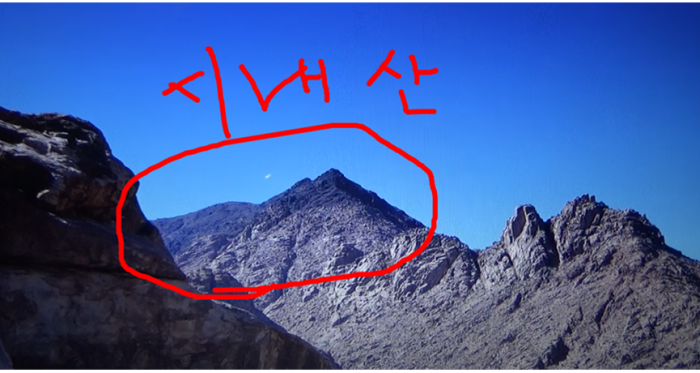 사우디 아라비아에 있는 모세가 십계명 받은 시내산이 검게 탄 이유와 증거 사진을 보여 드리겠습니다. 성경은 진리이며 진실이고 하나님은 진짜 계신다는 증거입니다.
이 증거들 좀 보시…
사우디 아라비아에 있는 모세가 십계명 받은 시내산이 검게 탄 이유와 증거 사진을 보여 드리겠습니다. 성경은 진리이며 진실이고 하나님은 진짜 계신다는 증거입니다.
사우디 아라비아에 있는 모세가 십계명 받은 시내산이 검게 탄 이유와 증거 사진을 보여 드리겠습니다. 성경은 진리이며 진실이고 하나님은 진짜 계신다는 증거입니다.이 증거들 좀 보시…
-
 Threema ID: FA8K9CNT / Strongest Opiod ,SR-17018 ,O-DSMT ,buy Cychlorphine ,Protonitazepyne ,order C
Threema ID: FA8K9CNT / Strongest Opiod ,SR-17018 ,O-DSMT ,buy Cychlorphine ,Protonitazepyne ,order …
Threema ID: FA8K9CNT / Strongest Opiod ,SR-17018 ,O-DSMT ,buy Cychlorphine ,Protonitazepyne ,order C
Threema ID: FA8K9CNT / Strongest Opiod ,SR-17018 ,O-DSMT ,buy Cychlorphine ,Protonitazepyne ,order …
-
 5월안의▶◀순직 경찰관들
공교롭게도 전혀 알고 지내지 않았던민중의 지팡이라 불리는 두 명의 경관.한 분은 천주교 묘지에서, 또 한 분은사립 묘지에서 영면의 시간을 보낸다.故Andrew Scott Gart…
5월안의▶◀순직 경찰관들
공교롭게도 전혀 알고 지내지 않았던민중의 지팡이라 불리는 두 명의 경관.한 분은 천주교 묘지에서, 또 한 분은사립 묘지에서 영면의 시간을 보낸다.故Andrew Scott Gart…
-
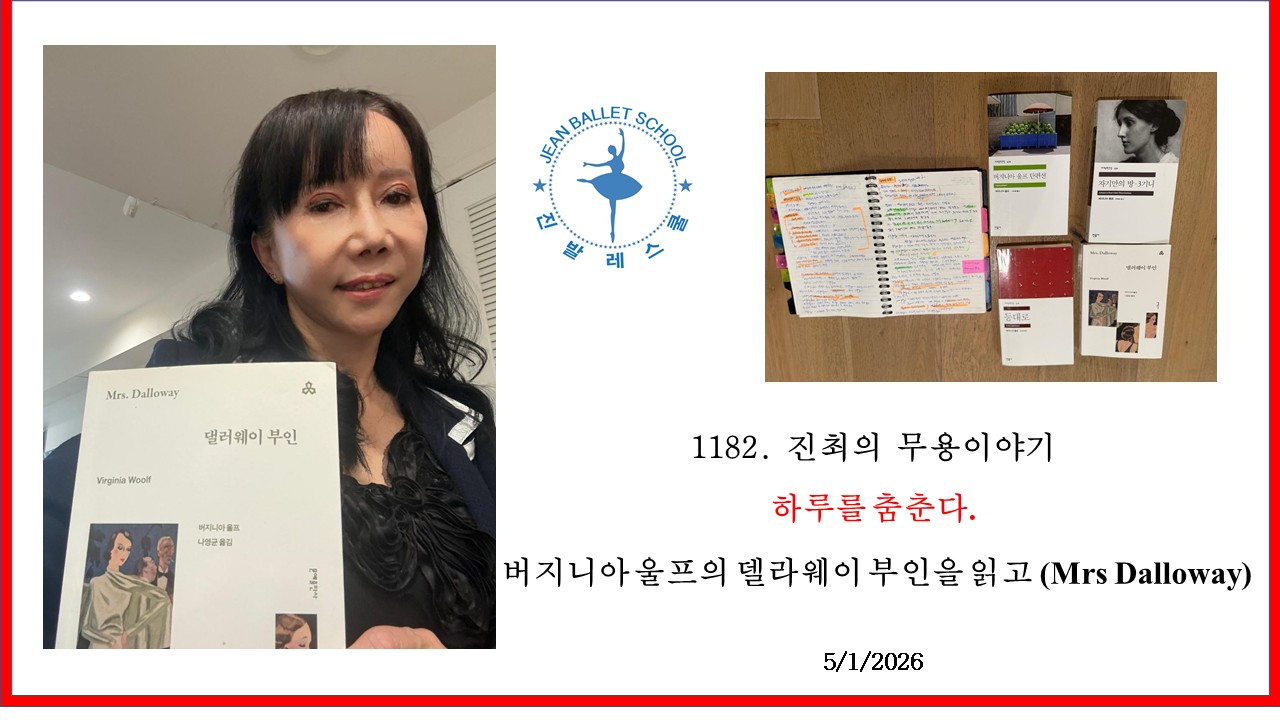 1182.하루를 춤춘다 — 버지니아 울프의 델라웨이 부인을 읽고 (Mrs Dalloway)
올해 4월, 독서 모임에서 함께 읽은 책은 버지니아 울프의 델라웨이 부인 (Mrs Dalloway)이었다.모더니즘 문학은 사건보다 마음을 따라가는 문학이다. 생각과 감정, 과거와…
1182.하루를 춤춘다 — 버지니아 울프의 델라웨이 부인을 읽고 (Mrs Dalloway)
올해 4월, 독서 모임에서 함께 읽은 책은 버지니아 울프의 델라웨이 부인 (Mrs Dalloway)이었다.모더니즘 문학은 사건보다 마음을 따라가는 문학이다. 생각과 감정, 과거와…

Ktown1번가 대표이메일 webinfo@koreatimes.com | 업소록 문의 yp@koreatimes.com
Powered by The Korea Times. Copyright ©The Korea Times All rights reserved.