
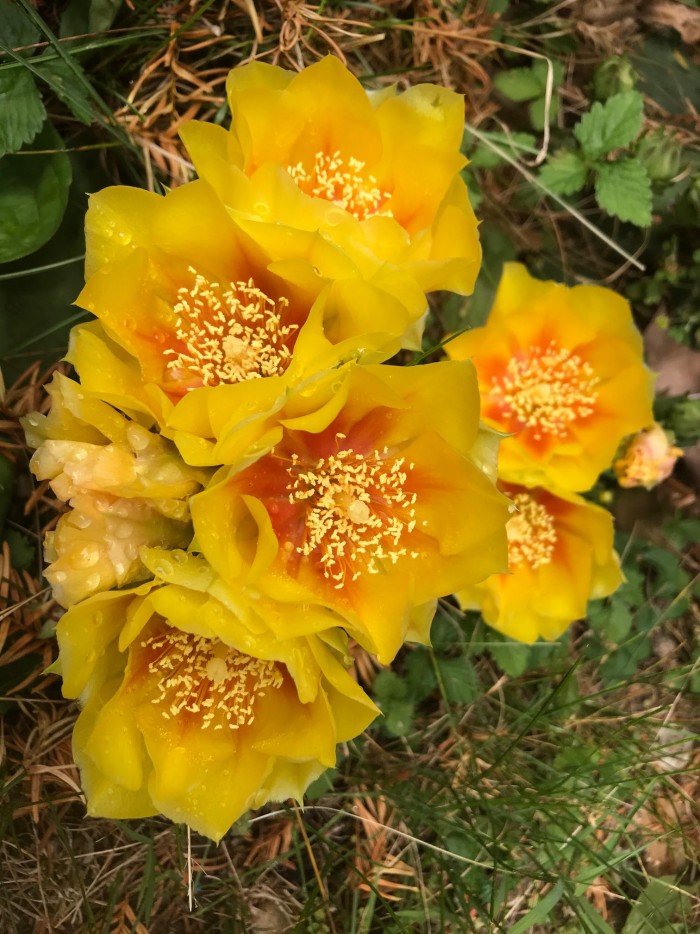


- [An Essay from My Heart] Spring Comes Without Fail802026.02.21
- [내 마음의 隨筆] <봄의 문장들 아래에서>832026.02.21
- [An Essay from My Heart] Under the Sentences of Spring782026.02.21
- [An Essay from My Heart] “By and By” on the Mississippi: A Stroll ... of Huckleberry Finn862026.02.21
- [내 마음의 隨筆] <미시시피 강 위의 “By and By”: 『허클베리 핀』 속 관용구 산책>1042026.02.21
[An Essay from My Heart] Under the Sentences of Spring
2026.02.21[An Essay from My Heart]
As I watched a crocus lifting its head beneath the forsythia, warmed by gentle sunlight, a line of literature quietly came to mind. Spring, I realized, is not merely a season; it is a language that has stirred the human heart for centuries. In the simple act of a small flower pushing through the soil, I sensed the layered voices of poets and thinkers who had long contemplated this same renewal.
Rainer Maria Rilke once wrote, “Spring has returned. The Earth is like a child that knows poems.” Gazing again at the crocus, I understood what he meant. The earth, after a long winter of silence, seemed to recite a poem it had patiently memorized. Spring is not loud; it is recited softly, like a child whispering verses learned by heart.
William Wordsworth urged us, “Come forth into the light of things, let Nature be your teacher.” In that moment, nature indeed became my teacher. The fragile shot breaking through the cold ground offered a clearer lesson than any textbook: patience, order, and trust in timing. Nature never hurries, yet it never fails to arrive. Spring does not rush, but it is always faithful.
Emily Dickinson wrote of a peculiar brightness: “A light exists in spring / Not present on the year / At any other period—.” That light is not merely physical illumination but a quiet stirring within the soul. Only those who have endured winter can truly recognize it. When the soft spring breeze brushes my face, I feel that subtle radiance awakening within a hope difficult to explain, yet unmistakably real.
Leo Tolstoy described spring as “the time of plans and projects.” Spring, then, is not only for admiration but for beginning again. It gently urges us toward renewal and intention. Just as the crocus rises with quiet determination, we too are invited to lift our thoughts and dreams toward new beginnings.
Albert Camus reflected, “In the depth of winter, I finally learned that within me there lay an invincible summer.” His words remind us that spring is not only an external transformation but an inward discovery. Perhaps while winter seemed to dominate the world, something warm and resilient was quietly growing within us all along.
Standing once more beneath the forsythia, I listen to birds singing overhead and observe new shoots emerging in the flowerbeds. Nature keeps its promises without proclamation. And the beautiful sentences left by great writers settle gently upon the scene like transparent light.
In the end, spring is where nature, humanity, and literature meet. The seasons turn, flowers bloom, and the human heart learns hope anew. Spring is not merely a change in temperature; it is a living poem—one that returns each year to awaken our souls. ***
February 21, 2026
At Sungsunjae (崇善齋)
{Solti}
한국어 번역: https://www.ktown1st.com/blog/VALover/348460


-
 프로의 융자노트 리버스 모기지, 무조건 좋을까요? 내 건강과 상황에 맞는 팩트 체크!
안녕하세요. 한국일보 독자 여러분 스티브 양입니다. 한국일보 컬럼에서 은퇴 후 내 집을 든든한 연금으로 활용하는 리버스 모기지의 기본 개념에 대해 알아보았습니다. 상담을 하다 …
프로의 융자노트 리버스 모기지, 무조건 좋을까요? 내 건강과 상황에 맞는 팩트 체크!
안녕하세요. 한국일보 독자 여러분 스티브 양입니다. 한국일보 컬럼에서 은퇴 후 내 집을 든든한 연금으로 활용하는 리버스 모기지의 기본 개념에 대해 알아보았습니다. 상담을 하다 …
-
 Handgun 동호회 찾습니다 365babba@gmail.com
Handgun 동호회 찾습니다 365babba@gmail.com
Handgun 동호회 찾습니다 365babba@gmail.com
-
 故박초월(루시아)님▶◀추모 3년
故박초월(루시아)님께서는 대략 20여년을시니어아파트에 사셨다는데 장녀와 그의 부군한 번도 오시지 않았었고 만만한 막내만이 노상찾아 오는 것을 보곤 하였다는데 왜? 그래야만했을까 …
故박초월(루시아)님▶◀추모 3년
故박초월(루시아)님께서는 대략 20여년을시니어아파트에 사셨다는데 장녀와 그의 부군한 번도 오시지 않았었고 만만한 막내만이 노상찾아 오는 것을 보곤 하였다는데 왜? 그래야만했을까 …
-
 곡성≤전국구 출장안마≥라인:LUP25√곡성출장콜걸√곡성출장마사지√곡성모텔출장알바√곡성24시예약상담√
 곡성≤전…
곡성≤전국구 출장안마≥라인:LUP25√곡성출장콜걸√곡성출장마사지√곡성모텔출장알바√곡성24시예약상담√
곡성≤전국구 출장안마≥라인:LUP25√곡성출장콜걸√곡성출장마사지√곡성모텔출장알바√곡성24시예약상담√ 곡성≤전…
-
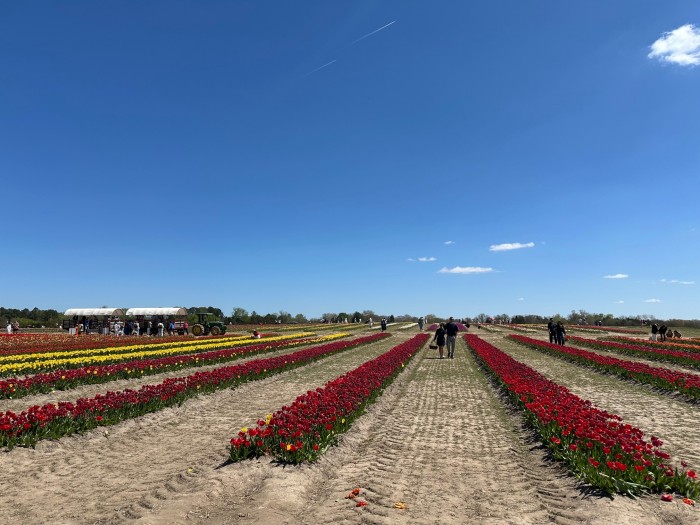 [내 마음의 隨筆] AI 시대의 정보 왜곡과 신뢰 위기 — 우리가 지금 당장 해야 할 다섯 가지 - 2 of 2
다섯째, 확률적 사고와 불확실성 인식의 제도화가 필요하다. 정보는 본질적으로 불완전하며, 모든 판단에는 일정 수준의 불확실성이 존재한다. 따라서 정보 제공 시 확률적 신뢰도, 오…
[내 마음의 隨筆] AI 시대의 정보 왜곡과 신뢰 위기 — 우리가 지금 당장 해야 할 다섯 가지 - 2 of 2
다섯째, 확률적 사고와 불확실성 인식의 제도화가 필요하다. 정보는 본질적으로 불완전하며, 모든 판단에는 일정 수준의 불확실성이 존재한다. 따라서 정보 제공 시 확률적 신뢰도, 오…
-
 모든 시스템의 내면성 2 - 몸과 마음의 연기 @drsimonshin
-
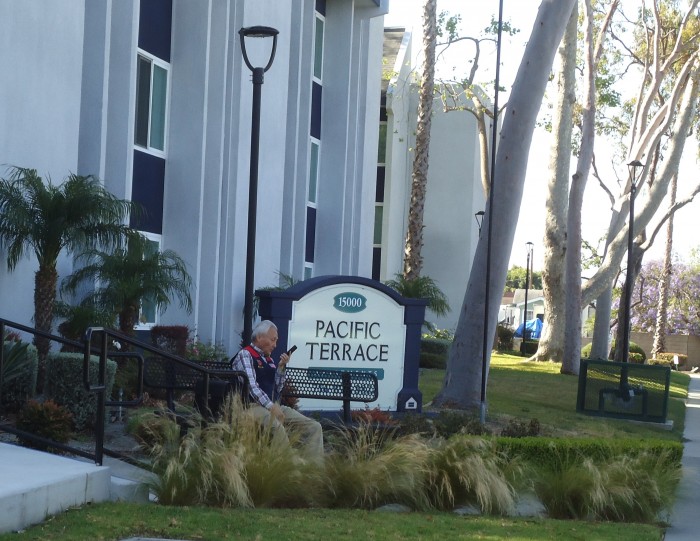 아파트 동정들
어제(5/7)와 오늘(5/8)까지 바깥에서들리는 듣기에도 마냥 정겹지만 않은잡음 때문에 은근히 쉬고 싶은 생각이저멀리 도망가 버리고 만 것 무엇일까?해서 바깥으로 나가보니 중형 …
아파트 동정들
어제(5/7)와 오늘(5/8)까지 바깥에서들리는 듣기에도 마냥 정겹지만 않은잡음 때문에 은근히 쉬고 싶은 생각이저멀리 도망가 버리고 만 것 무엇일까?해서 바깥으로 나가보니 중형 …
-
 무안셔츠룸 만남★라인:LUP25★무안출장안마★무안오일맛사지★무안노래방★무안유흥업소★무안썸오★
무안셔츠룸 만남★라인:LUP25★무안출장안마★무안오일맛사지★무안노래방★무안유흥업소★무안…
무안셔츠룸 만남★라인:LUP25★무안출장안마★무안오일맛사지★무안노래방★무안유흥업소★무안썸오★
무안셔츠룸 만남★라인:LUP25★무안출장안마★무안오일맛사지★무안노래방★무안유흥업소★무안썸오★무안셔츠룸 만남★라인:LUP25★무안출장안마★무안오일맛사지★무안노래방★무안유흥업소★무안…
-
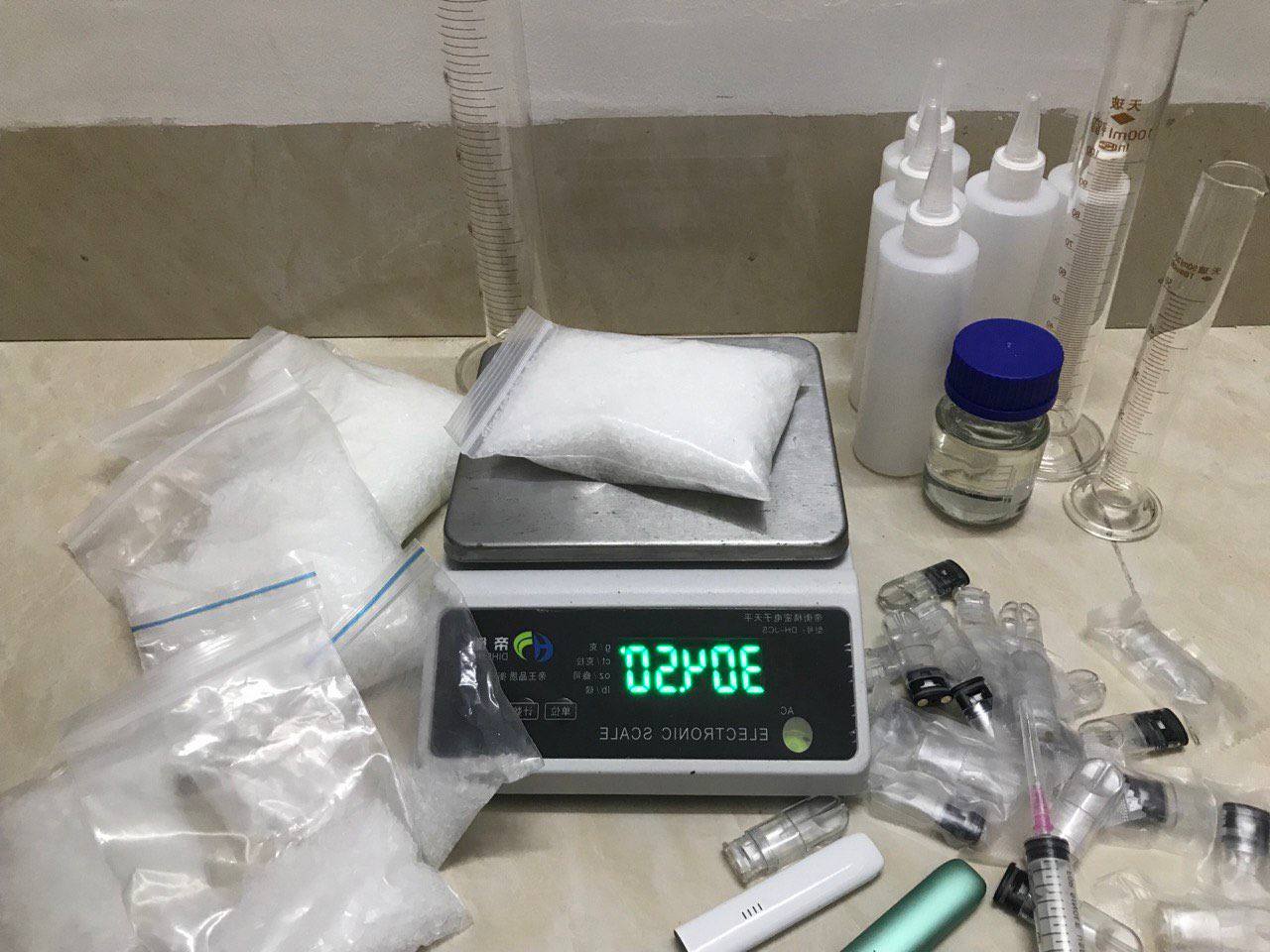 Buy Kpods Vape, buy Etomidate Pods ,order Etomidate,space oil ,CAS: 33125-97-2,order tiletamine , bu
Buy Kpods Vape, buy Etomidate Pods ,order Etomidate,space oil ,CAS: 33125-97-2,order tiletamine , b…
Buy Kpods Vape, buy Etomidate Pods ,order Etomidate,space oil ,CAS: 33125-97-2,order tiletamine , bu
Buy Kpods Vape, buy Etomidate Pods ,order Etomidate,space oil ,CAS: 33125-97-2,order tiletamine , b…
-
 은평구출장홈타이™20대™라인:LUP25™은평구유흥업소™은평구룸싸룽™은평구여대생출장안마™은평구출장만남후기™
은평구출장홈타이™20대™라인:LUP25™은평구유흥업소™은평구룸싸룽™은평구여대생출장안마™은평구출장만남후기&trade…
은평구출장홈타이™20대™라인:LUP25™은평구유흥업소™은평구룸싸룽™은평구여대생출장안마™은평구출장만남후기™
은평구출장홈타이™20대™라인:LUP25™은평구유흥업소™은평구룸싸룽™은평구여대생출장안마™은평구출장만남후기&trade…

Ktown1번가 대표이메일 webinfo@koreatimes.com | 업소록 문의 yp@koreatimes.com
Powered by The Korea Times. Copyright ©The Korea Times All rights reserved.