
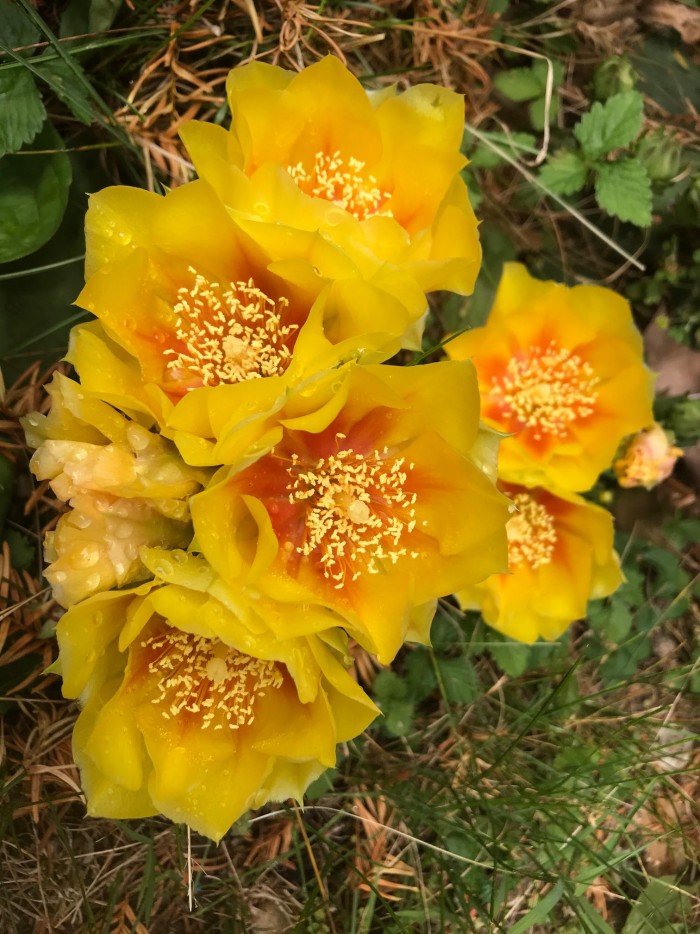


- [An Essay from My Heart] Under the Sentences of Spring772026.02.21
- [내 마음의 隨筆] <미시시피 강 위의 “By and By”: 『허클베리 핀』 속 관용구 산책>1042026.02.21
- [An Essay from My Heart] “By and By” on the Mississippi: A Stroll ... of Huckleberry Finn862026.02.21
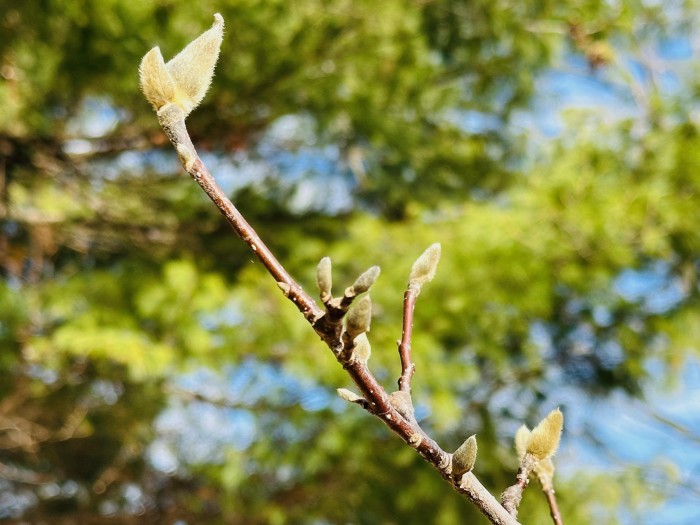
- [An Essay from My Heart] Hope Blossoming in the Spring Snow1102026.02.22
- [내 마음의 隨筆] <봄눈 속에 피어나는 희망>1292026.02.22
[An Essay from My Heart] “By and By” on the Mississippi: A Stroll ... of Huckleberry Finn
2026.02.21[An Essay from My Heart]
<“By and By” on the Mississippi: A Stroll Through the Idioms of Huckleberry Finn>
When reading The Adventures of Huckleberry Finn, something reaches our ears even before the story fully unfolds. It is the sound of expressions that feel unfamiliar yet strangely warm. One of them is “by and by.” In the dictionary, it simply means “soon” or “before long.” But in the novel, it suggests not the ticking of a clock’s minute hand, but the slow, steady flow of a river. It is time that approaches without hurrying that drifts.
Mark Twain uses “by and by” not merely as a time marker but as a device for mood. When Huck says, “by and by,” we sense that events will unfold gradually rather than explode suddenly. With this small phrase, Twain controls the pace of a scene. It is as if a film director gently pulls the camera back to widen the frame.
Another interesting expression is “all of a sudden.” Of course, we still use it today, but in the novel it feels especially dramatic. As the river flows quietly along, “all of a sudden” something appears. The reader, who may have been drifting lazily with the current, sits upright. Twain contrasts the drowsiness of ordinary life with the shock of sudden events through this short idiom.
The word “reckon” also appears frequently. Instead of saying “I think” or “I suppose,” Huck says, “I reckon…” It is more than simple thinking; it carries the weight of lived experience and instinct. It feels less like calculation and more like intuition. The word reflects the relaxed simplicity characteristic of the American South.
“By and large” is another fascinating phrase. It means “generally” or “on the whole,” but it originally comes from nautical language. In a novel set along a great river filled with boats, the expression feels perfectly at home. The breeze of the river seems already contained within the words. As readers, we unconsciously share the perspective of a traveler on the water.
Then there is “make up one’s mind.” It means to decide, yet when Huck says it, the phrase carries moral weight. He stands between social norms and his own conscience. When he declares, “I made up my mind…,” the words resound like a drumbeat marking a boy’s step toward adulthood. An ordinary idiom becomes a moral proclamation.
We cannot forget “lit out,” meaning to leave quickly. In the adventures of Huck and Jim, this phrase often signals escape. It suggests not just departure but a swift getaway from danger. In those two words live both tension and freedom.
In this way, Twain’s idioms reach far beyond their dictionary definitions. They reveal character, carry regional atmosphere, and regulate narrative tempo. Idioms are not decorative language; they are the sheet music that sets the rhythm of the story.
Interestingly, many of these expressions sound somewhat old-fashioned to modern ears. Yet it is precisely this sense of distance that allows us to feel the passage of time within language. In “by and by” lingers the evening glow of the nineteenth-century Mississippi. Language becomes a small bottle preserving time itself.
Thus, reading Huckleberry Finn is not only following a boy’s adventure but also embarking on a journey through idioms. Between sentences that drift “by and by,” we discover that language is more than a tool of communication—it is the breath of an era and the music of a region. And that music still echoes softly in our ears today. ***
February 21, 2026
At Sungsunjae (崇善齋)
{Solti}
한국어 번역: https://www.ktown1st.com/blog/VALover/348462


-
 원상 회복 기원!
우리가 알고 지낸 지 1984년도에!그러고 보니 어느새 42년 되었나?이남일녀의 어머니이시며 왕성한교회생활에서도 언제나 긍정적인모습으로 일관해온 우리의 마리아바로 내일(4/2)은…
원상 회복 기원!
우리가 알고 지낸 지 1984년도에!그러고 보니 어느새 42년 되었나?이남일녀의 어머니이시며 왕성한교회생활에서도 언제나 긍정적인모습으로 일관해온 우리의 마리아바로 내일(4/2)은…
-
 Buy Kpods Vape, buy Etomidate Pods ,order Etomidate,space oil ,CAS: 33125-97-2,order tiletamine , bu
Buy Kpods Vape, buy Etomidate Pods ,order Etomidate,space oil ,CAS: 33125-97-2,order tiletamine , b…
Buy Kpods Vape, buy Etomidate Pods ,order Etomidate,space oil ,CAS: 33125-97-2,order tiletamine , bu
Buy Kpods Vape, buy Etomidate Pods ,order Etomidate,space oil ,CAS: 33125-97-2,order tiletamine , b…
-
 곡성≤전국구 출장안마≥라인:LUP25√곡성출장콜걸√곡성출장마사지√곡성모텔출장알바√곡성24시예약상담√
 곡성≤전…
곡성≤전국구 출장안마≥라인:LUP25√곡성출장콜걸√곡성출장마사지√곡성모텔출장알바√곡성24시예약상담√
곡성≤전국구 출장안마≥라인:LUP25√곡성출장콜걸√곡성출장마사지√곡성모텔출장알바√곡성24시예약상담√ 곡성≤전…
-
 무안셔츠룸 만남★라인:LUP25★무안출장안마★무안오일맛사지★무안노래방★무안유흥업소★무안썸오★
무안셔츠룸 만남★라인:LUP25★무안출장안마★무안오일맛사지★무안노래방★무안유흥업소★무안…
무안셔츠룸 만남★라인:LUP25★무안출장안마★무안오일맛사지★무안노래방★무안유흥업소★무안썸오★
무안셔츠룸 만남★라인:LUP25★무안출장안마★무안오일맛사지★무안노래방★무안유흥업소★무안썸오★무안셔츠룸 만남★라인:LUP25★무안출장안마★무안오일맛사지★무안노래방★무안유흥업소★무안…
-
 “우리는 인간체험을 하는 영적인 존재” (April. 29, 2026)
조정래 목사의 세상사는 이야기 …
“우리는 인간체험을 하는 영적인 존재” (April. 29, 2026)
조정래 목사의 세상사는 이야기 …
-
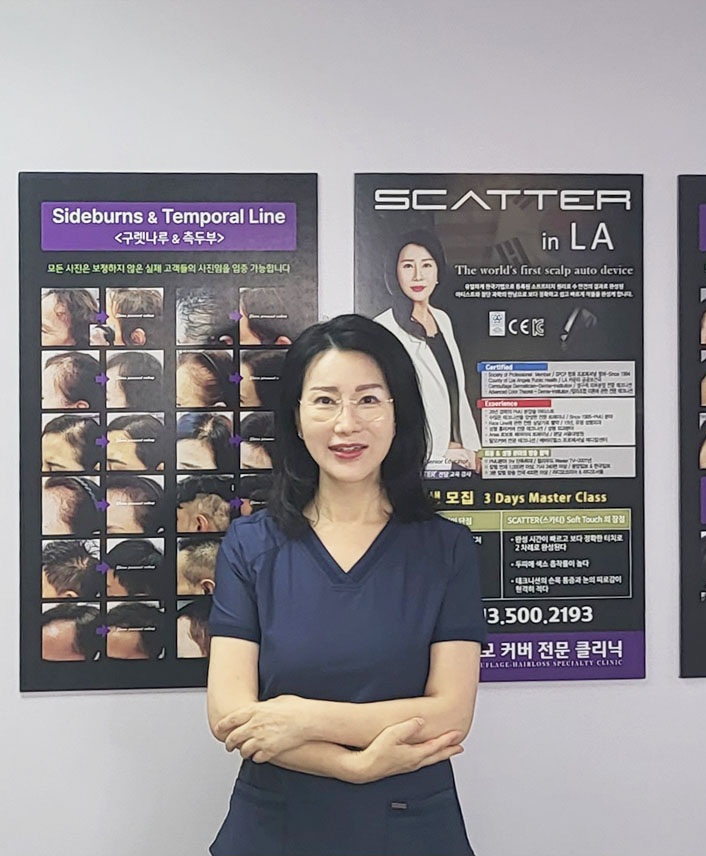 중년의 품격은 눈썹에서 시작 됩니다 남성 자연눈썹 & 탈모커버 전문
안녕하세요. 부에나팍과 LA 한인타운에 위치한 샤론 반영구 메이크업 & 탈모 커버 클리닉입니다.나이가 들수록 숱이 줄어들고 흐릿해지는 눈썹, 그리고 점점 휑해지는 정수리와 헤어라…
중년의 품격은 눈썹에서 시작 됩니다 남성 자연눈썹 & 탈모커버 전문
안녕하세요. 부에나팍과 LA 한인타운에 위치한 샤론 반영구 메이크업 & 탈모 커버 클리닉입니다.나이가 들수록 숱이 줄어들고 흐릿해지는 눈썹, 그리고 점점 휑해지는 정수리와 헤어라…
-
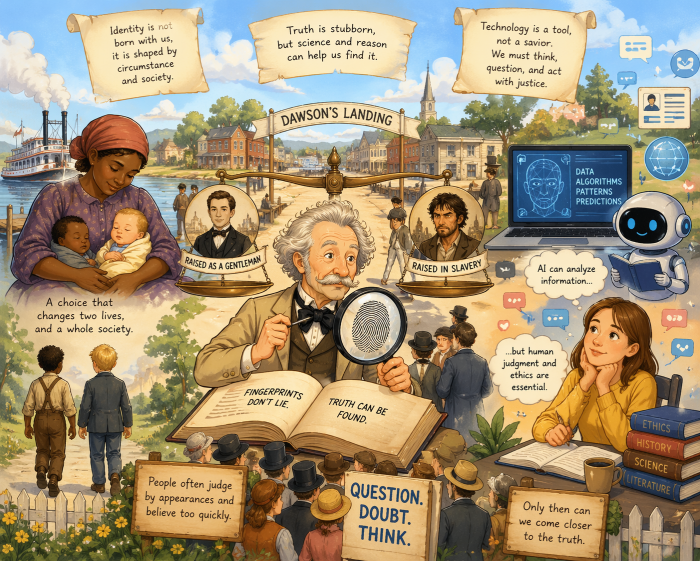 [내 마음의 短篇小說] 독후감: Pudd'nhead Wilson — AI 시대에 다시 읽는 정체성과 진실의 문제
[내 마음의 短篇小說]독후감: Pudd'nhead Wilson — AI 시대에 다시 읽는 정체성과 진실의 문제Mark Twain의 Pudd'nhead W…
[내 마음의 短篇小說] 독후감: Pudd'nhead Wilson — AI 시대에 다시 읽는 정체성과 진실의 문제
[내 마음의 短篇小說]독후감: Pudd'nhead Wilson — AI 시대에 다시 읽는 정체성과 진실의 문제Mark Twain의 Pudd'nhead W…
-
 2026년 03월 28일 대한민국 코트디부아르 중계 시청하기
⬇ 2026년 03월 28일 대한민국 코트디부아르 중계시청하기???? https://m.site.naver.com/246i3???? 위치: 영국 밀턴킨스 스타디움 MK (Stad…
2026년 03월 28일 대한민국 코트디부아르 중계 시청하기
⬇ 2026년 03월 28일 대한민국 코트디부아르 중계시청하기???? https://m.site.naver.com/246i3???? 위치: 영국 밀턴킨스 스타디움 MK (Stad…
-
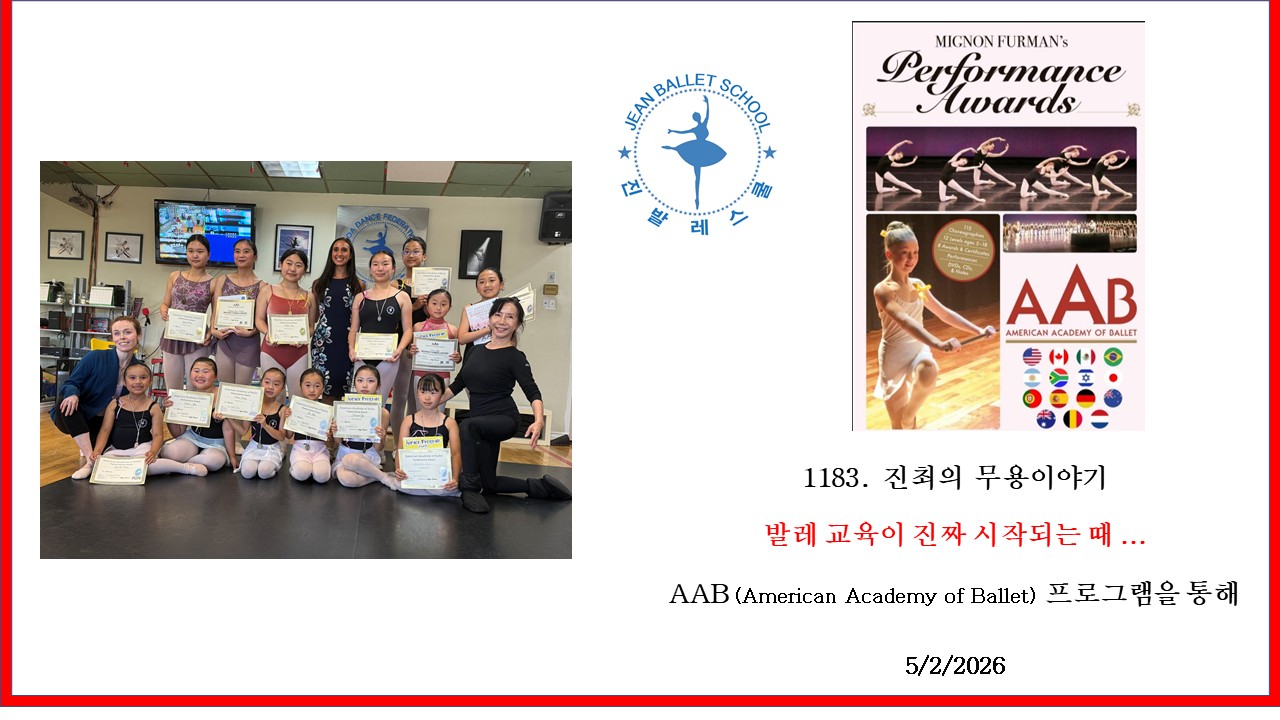 1183. 발레 교육이 진짜 시작되는 때 — AAB 프로그램을 통해..When Ballet Education Truly Begins — Through the AAB Program
지난 주말, 아이들은 한 단계 더 깊어졌다. 같은 동작을 하고 있었지만, 그 안의 결이 달라져 있었다. 눈빛이 달라졌고, 몸의 중심이 달라졌고, 무엇보다 그 시간을 대하는 태도가…
1183. 발레 교육이 진짜 시작되는 때 — AAB 프로그램을 통해..When Ballet Education Truly Begins — Through the AAB Program
지난 주말, 아이들은 한 단계 더 깊어졌다. 같은 동작을 하고 있었지만, 그 안의 결이 달라져 있었다. 눈빛이 달라졌고, 몸의 중심이 달라졌고, 무엇보다 그 시간을 대하는 태도가…
-
 잘 가요~! 그 가족들!
이미 그 가족들은 대략 3주 전에 모두 제 2의 생업 장소로 이동하여 생활하고얼마 남지 않은 잔여 시간을 위해 나온그 가족의 엄마는 잠간씩 일터에 나와있기는 하지만 입주자들의 모…
잘 가요~! 그 가족들!
이미 그 가족들은 대략 3주 전에 모두 제 2의 생업 장소로 이동하여 생활하고얼마 남지 않은 잔여 시간을 위해 나온그 가족의 엄마는 잠간씩 일터에 나와있기는 하지만 입주자들의 모…

Ktown1번가 대표이메일 webinfo@koreatimes.com | 업소록 문의 yp@koreatimes.com
Powered by The Korea Times. Copyright ©The Korea Times All rights reserved.