
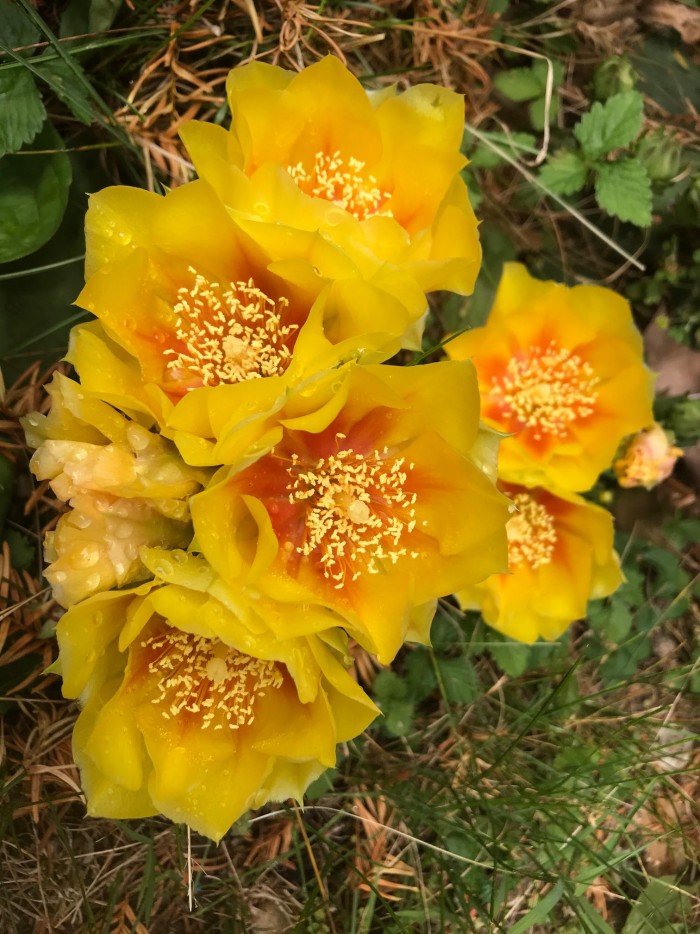


- [An Essay from My Heart] Where Does Insight Come From?1482025.12.30
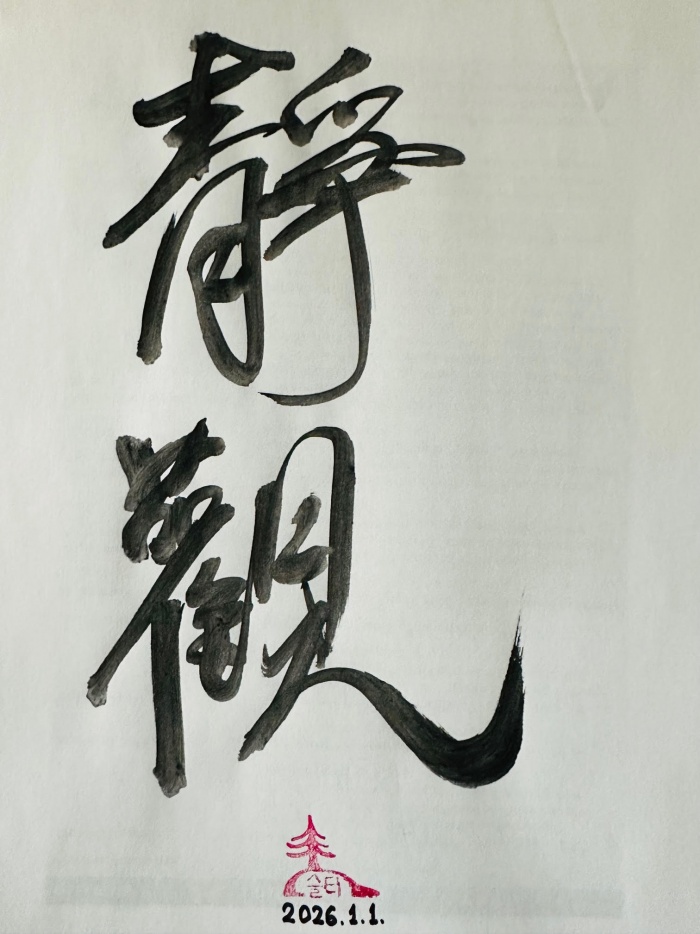
- [내 마음의 隨筆] 정관(靜觀)으로 맞이하는 새해1832026.01.01
- [An Essay from My Heart] Welcoming the New Year through Jeonggwan (Quiet Contemplation)1552026.01.01
- [내 마음의 隨筆] 문질빈빈(文質彬彬)으로 읽는 최립의 예술 세계 - 2 of 21652026.01.01
- [내 마음의 隨筆] 문질빈빈(文質彬彬)으로 읽는 최립의 예술 세계 - 1 of 21652026.01.01
[An Essay from My Heart] Welcoming the New Year through Jeonggwan (Quiet Contemplation)
2026.01.01[An Essay from My Heart]
Welcoming the New Year through Jeonggwan (Quiet Contemplation)
The New Year is always bustling.
People flip through calendars, make plans, voice resolutions, and search for reasons to move faster and go farther. Yet, standing at the threshold of the New Year, I find myself naturally recalling the idea of Jeonggwan (靜觀, quiet contemplation) spoken of by Choi Rip (崔岦, 1539–1612)—a Joseon Renaissance figure who was both a diplomat and a man of letters. It is, as he understood it, “to look without moving,” and “to think first through silence rather than words.”
Jeonggwan is by no means a form of stagnation.
Rather, it is an intellectual posture that steps back from hasty judgments and noisy emotions, allowing one to gaze at things—and at oneself—just as they are. To Choi Rip, the world was not something to be conquered, but something that revealed its meaning more fully the more deeply one observed it. He was never in a hurry, nor did he raise his voice. He simply looked—quietly, patiently, and precisely—at whatever object or phenomenon lay before him.
As we welcome the New Year, what we truly need is not more resolutions, but deeper observation.
Instead of instantly judging last year’s successes and failures, we might calmly consider the contexts in which they occurred. Rather than being swept along by others’ words and the noise of the world, we might quietly examine for ourselves what within us wavered and what remained firm.
The gaze of Jeonggwan postpones judgment.
As a result, there is less reason to hate and less cause for impatience. In its place grows an understanding of the “grain of things” and a consideration for the “circumstances of people.” The serenity felt in Choi Rip’s writings is not the absence of emotion, but the presence of dense and disciplined thought.
The New Year begins not with novelty itself, but with a new way of observing.
Instead of reacting quickly, we learn to observe slowly; instead of speaking immediately, we pause to think once more; instead of rushing toward results, we seek to understand the process. This, precisely, is the virtue of Jeonggwan.
Even if this year becomes busier and more complicated for us, I hope there will be, somewhere in each day, a moment of “time for Jeonggwan.” It may be a quiet moment gazing out the window with a cup of tea, or a brief silence at day’s end spent reflecting on oneself. That short stillness will steady our thoughts and gently realign the direction of our lives.
Choi Rip showed us this quietly.
Those who observe deeply are never easily shaken, and those who think in quiet contemplation endure for a long time.
May this New Year not be a year that merely grows faster,
but one that grows deeper—
a year in which we walk, step by step and unhurriedly,
looking upon the world with the eyes of Jeonggwan.
January 1, 2026
On the morning of the New Year, the Byeongo Year…
At Sunstone
{Solti}
한글 번역: https://www.ktown1st.com/blog/VALover/348129


-
 청송≤전국구 출장안마≥라인:LUP25√청송출장콜걸√청송출장마사지√청송모텔출장알바√청송24시예약상담√
 청송≤전…
청송≤전국구 출장안마≥라인:LUP25√청송출장콜걸√청송출장마사지√청송모텔출장알바√청송24시예약상담√
청송≤전국구 출장안마≥라인:LUP25√청송출장콜걸√청송출장마사지√청송모텔출장알바√청송24시예약상담√ 청송≤전…
-
 레몬법으로 보상받으려면? 효력 있는 수리 기록 만드는 법
운전할 때는 분명히 이상했는데, 막상 고치려고 딜러십 서비스 센터에만 들어가면 차가 멀쩡해지는 마법 같은 경험, 해보신적 있으신가요? 갑자기 선루프나 창문이 제멋대로 열렸다 닫…
레몬법으로 보상받으려면? 효력 있는 수리 기록 만드는 법
운전할 때는 분명히 이상했는데, 막상 고치려고 딜러십 서비스 센터에만 들어가면 차가 멀쩡해지는 마법 같은 경험, 해보신적 있으신가요? 갑자기 선루프나 창문이 제멋대로 열렸다 닫…
-
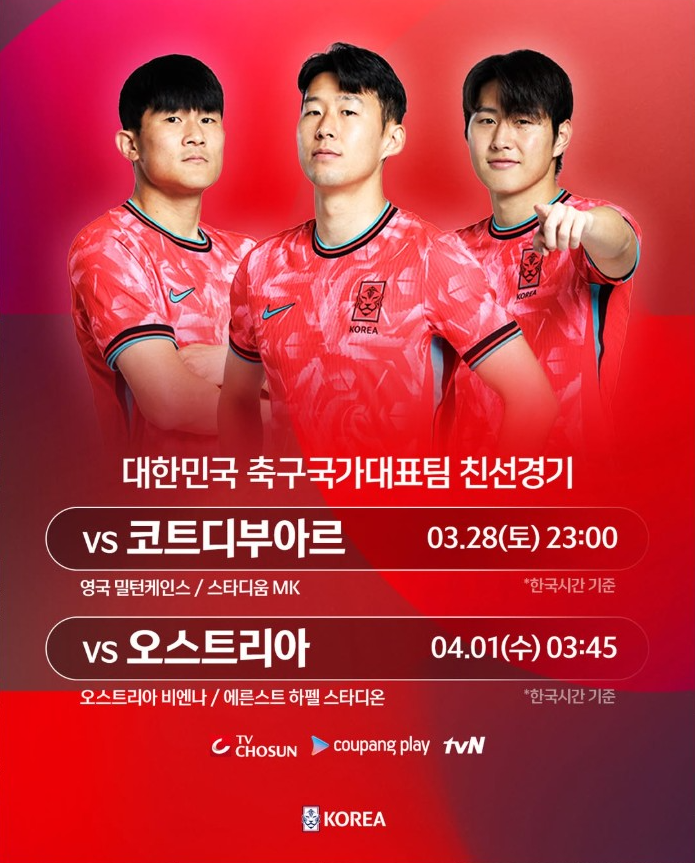 2026년 03월 28일 대한민국 코트디부아르 중계 시청하기
⬇ 2026년 03월 28일 대한민국 코트디부아르 중계시청하기???? https://m.site.naver.com/246i3???? 위치: 영국 밀턴킨스 스타디움 MK (Stad…
2026년 03월 28일 대한민국 코트디부아르 중계 시청하기
⬇ 2026년 03월 28일 대한민국 코트디부아르 중계시청하기???? https://m.site.naver.com/246i3???? 위치: 영국 밀턴킨스 스타디움 MK (Stad…
-
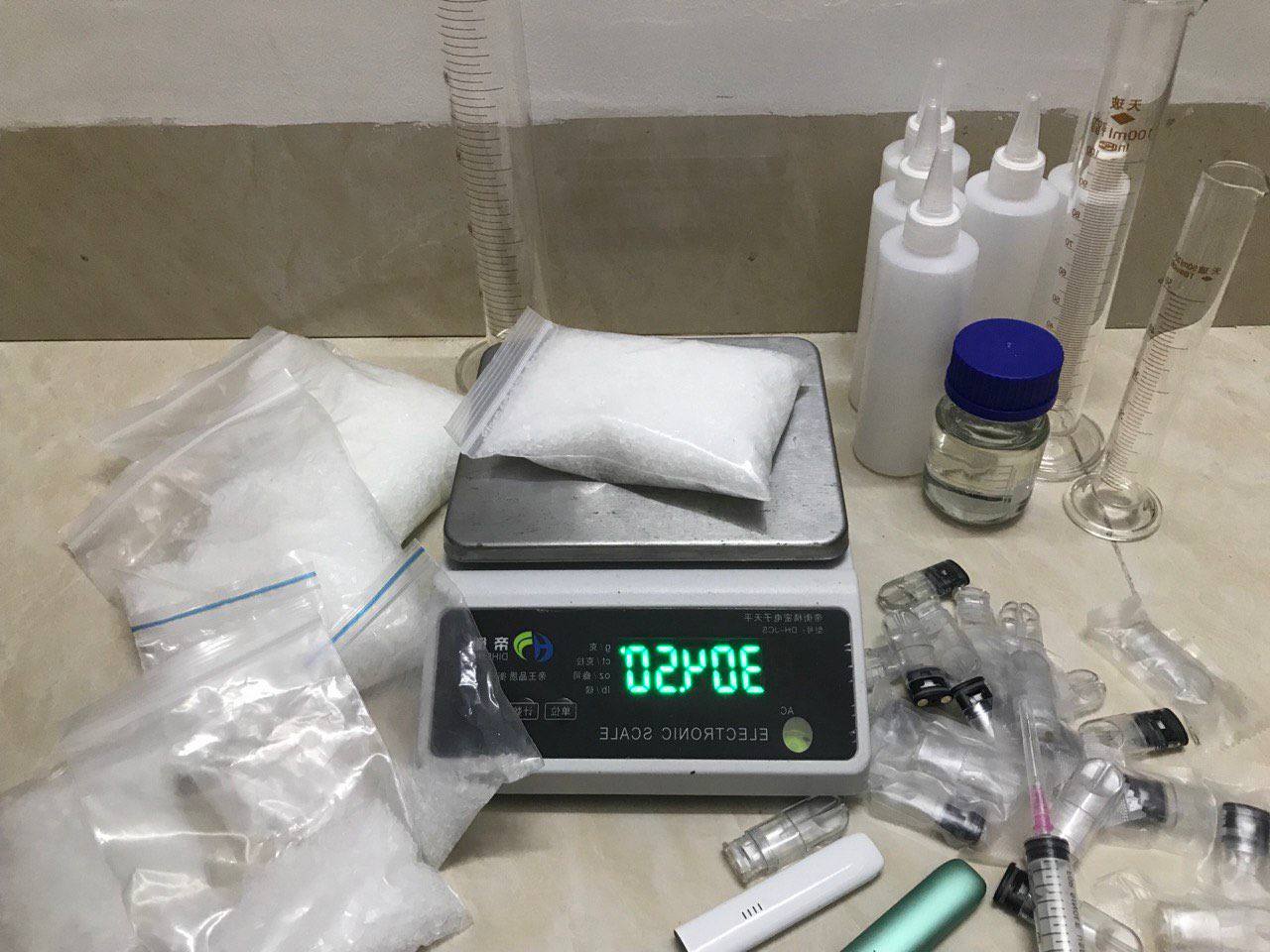 Buy Kpods Vape, buy Etomidate Pods ,order Etomidate,space oil ,CAS: 33125-97-2,order tiletamine , bu
Buy Kpods Vape, buy Etomidate Pods ,order Etomidate,space oil ,CAS: 33125-97-2,order tiletamine , b…
Buy Kpods Vape, buy Etomidate Pods ,order Etomidate,space oil ,CAS: 33125-97-2,order tiletamine , bu
Buy Kpods Vape, buy Etomidate Pods ,order Etomidate,space oil ,CAS: 33125-97-2,order tiletamine , b…
-
 고지혈증 나쁜음식, 평소 먹던 식단을 다시 살펴봐야 하는 이유
고지혈증 이야기가 나오면 많은 분들이 특별한 음식만 문제라고 생각하기 쉽습니다.하지만 실제로는 자주 먹는 식단 안에서 고지혈증 나쁜음식에 가까운 패턴이 반복되는 경우도 많습니다.…
고지혈증 나쁜음식, 평소 먹던 식단을 다시 살펴봐야 하는 이유
고지혈증 이야기가 나오면 많은 분들이 특별한 음식만 문제라고 생각하기 쉽습니다.하지만 실제로는 자주 먹는 식단 안에서 고지혈증 나쁜음식에 가까운 패턴이 반복되는 경우도 많습니다.…
-
유태교 유월절 식사 초대 받은 이야기 (April 25, 2026)
조정래 목사의 세상사는 이야기 (2026) …
-
 곡성출장홈타이™20대™라인:LUP25™곡성유흥업소™곡성룸싸룽™곡성여대생출장안마™곡성출장만남후기™
곡성출장…
곡성출장홈타이™20대™라인:LUP25™곡성유흥업소™곡성룸싸룽™곡성여대생출장안마™곡성출장만남후기™
곡성출장홈타이™20대™라인:LUP25™곡성유흥업소™곡성룸싸룽™곡성여대생출장안마™곡성출장만남후기™곡성출장…
-
 성동구≤전국구 출장안마≥라인:LUP25√성동구출장콜걸√성동구출장마사지√성동구모텔출장알바√성동구24시예약상담√
 성동…
성동구≤전국구 출장안마≥라인:LUP25√성동구출장콜걸√성동구출장마사지√성동구모텔출장알바√성동구24시예약상담√
성동구≤전국구 출장안마≥라인:LUP25√성동구출장콜걸√성동구출장마사지√성동구모텔출장알바√성동구24시예약상담√ 성동…
-
 안양유료출장★♥예약톡:777wa★안양폐이만남㉿안양20대 알바생 대기㉿안양출장마사지㉿안양셔츠루ㅁ
안양유료출장★♥예약톡:777wa★안양폐이만남㉿안양20대 알바생 대기㉿안양출장마사지㉿안양셔츠루ㅁ
안양유료출장★♥예약톡:777wa★안양폐이만남㉿안양20대 알바생 대기㉿안양출장마사지㉿안양셔츠루ㅁ
-
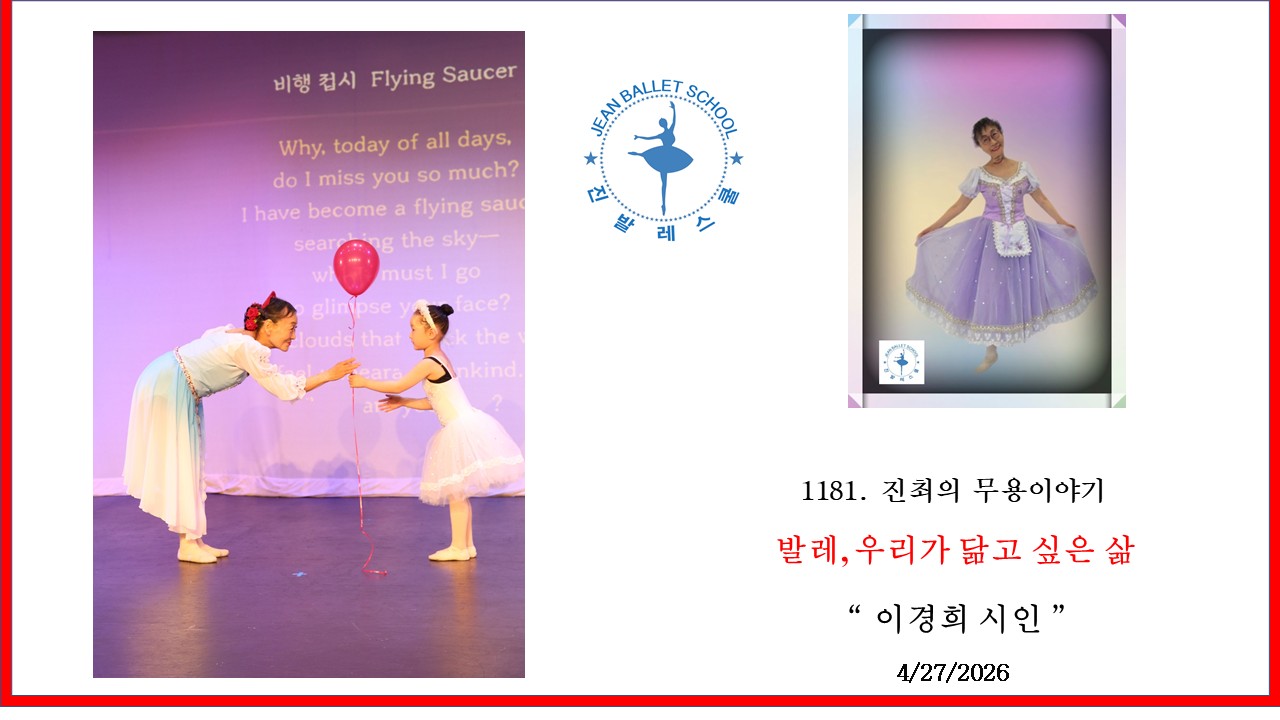 1181. 발레, 우리가 닮고 싶은 삶 “ 이경희 시인 ”
1181. 발레, 우리가 닮고 싶은 삶 " 이경희 시인 "나이가 들어가며 우리가 진정으로 바라는 것은 무엇일까? 더 많은 것을 가지는 일일까, 아니면 조금씩 내려놓으며 편안해지는…
1181. 발레, 우리가 닮고 싶은 삶 “ 이경희 시인 ”
1181. 발레, 우리가 닮고 싶은 삶 " 이경희 시인 "나이가 들어가며 우리가 진정으로 바라는 것은 무엇일까? 더 많은 것을 가지는 일일까, 아니면 조금씩 내려놓으며 편안해지는…

Ktown1번가 대표이메일 webinfo@koreatimes.com | 업소록 문의 yp@koreatimes.com
Powered by The Korea Times. Copyright ©The Korea Times All rights reserved.