
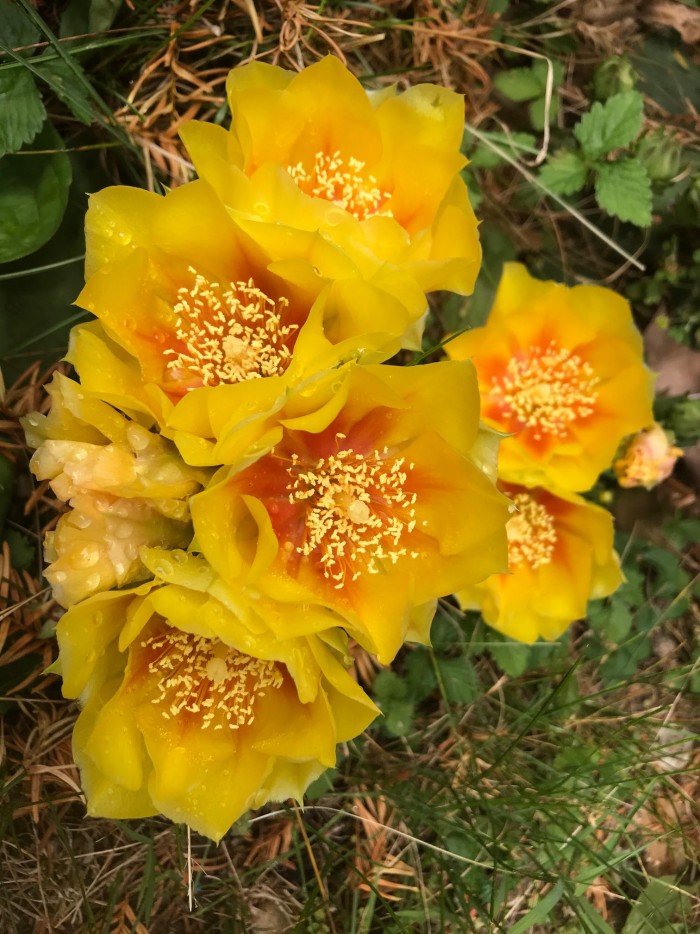


- [내 마음의 隨筆] 문질빈빈(文質彬彬)으로 읽는 최립의 예술 세계 - 1 of 21662026.01.01
- [내 마음의 隨筆] 문질빈빈(文質彬彬)으로 읽는 최립의 예술 세계 - 2 of 21662026.01.01
- [An Essay from My Heart] Reading Choi Rip’s Artistic World through Munjilbinbin (文質彬彬)1592026.01.01
- [내 마음의 隨筆] 명함 상자 앞에서 - 2 of 21942026.01.02
- [내 마음의 隨筆] 명함 상자 앞에서 - 1 of 22032026.01.02
[An Essay from My Heart] Reading Choi Rip’s Artistic World through Munjilbinbin (文質彬彬)
2026.01.01[An Essay from My Heart]
Reading Choi Rip’s Artistic World through Munjilbinbin (文質彬彬)
— The Path Where Ornament and Essence Walk Side by Side
If one were to describe the artistic world of Choi Rip (崔岦, 1539–1612)—a distinguished mid-Joseon diplomat and Renaissance man—in a single phrase, quiet yet firm would be most fitting. His poetry, prose, and artistic posture are free from flamboyant technique or exaggerated emotion. Instead, they reveal a restraint and balance whose depth grows with repeated contemplation. At the heart of this world lies the concept of munjilbinbin (文質彬彬).
The term munjilbinbin, originating from Confucius, refers to a state in which “literary form and expression” (文) and “human substance and virtue” (質) are harmoniously balanced. Excessive ornamentation becomes superficial, while an overemphasis on substance alone turns coarse. Munjilbinbin denotes a form of harmony in which neither dominates, but each brings the other to life.
Choi Rip did not treat this concept as a mere abstraction. Rather, he embodied munjilbinbin as a living principle throughout his life and artistic practice.
Unadorned, Yet Never Coarse
At first reading, Choi Rip’s poetry may appear plain and understated. There is no ornate rhetoric, no dramatic outpouring of emotion. Yet with closer and repeated reading, one begins to sense the ethical tension and depth of reflection quietly embedded within that calm surface.
In his poetry, nature is not decorative. Mountains and rivers, wind and moon are not scenic backdrops for aesthetic pleasure, but presences that breathe alongside the poet. His attitude toward nature is less an act of display than a means of self-discipline—a mirror through which one regulates the self. Here, literary form (文) does not obscure substance (質); rather, it reveals it.
Art as Another Form of Self-Cultivation
For many Joseon scholars, art functioned primarily as a vehicle for moral instruction. For Choi Rip, however, art was never merely didactic. Writing poetry, practicing calligraphy, and quietly contemplating nature constituted, in themselves, fields of self-cultivation.
To steady the mind in order to write fine calligraphy;
to shed excess desire so that poetry may remain clear;
to lower oneself in order to see nature more deeply.
In these processes, art does not teach ethics overtly; instead, it becomes a channel through which ethical sensibility naturally permeates. This is munjilbinbin in practice: morality does not step forward to lecture, and art does not drift into frivolity. The two proceed together, side by side.
Quiet Humanism: A Joseon Renaissance
Whereas Western Renaissance art often emphasized the assertion of individual genius and expressive power, Choi Rip’s world follows a different path. Rather than projecting himself outward, he tuned and regulated the self from within. Instead of raising his voice, he quietly sought balance.
This is not passivity. It is, rather, a restrained human-centeredness—what may be called quiet humanism. In Choi Rip’s vision, human beings are not separate from nature but complete themselves through relational engagement with it. This awareness flows throughout his artistic world.
In this sense, Choi Rip’s munjilbinbin is not merely an aesthetic principle, but a way of life.
What It Means for Us Today
We live in an age accustomed to spectacle and speed. We are urged toward stronger expressions, faster results, and more visible achievements. In such a time, Choi Rip’s munjilbinbin poses a quiet question:
“Do our words and actions remain in balance with the heart that produces them?”
A life where ornament and essence advance together;
an attitude where achievement and reflection stand side by side;
a state in which expression and character do not harm one another.
Choi Rip’s artistic world speaks softly yet clearly to us today:
True beauty is never noisy, and what is truly deep is always quiet.
Munjilbinbin may be an ancient phrase,
but its spirit remains fully alive in our lives today.
January 1, 2026
A New Year’s morning in the Byeong-o year
At Sungsunjae (崇善齋)
{Solti}
한글 번역: https://www.ktown1st.com/blog/VALover/348133



-
 어머니날
https://youtu.be/7PCi5Z4YvlY?si=1EC1pW15202uloAH
어머니날
https://youtu.be/7PCi5Z4YvlY?si=1EC1pW15202uloAH
-
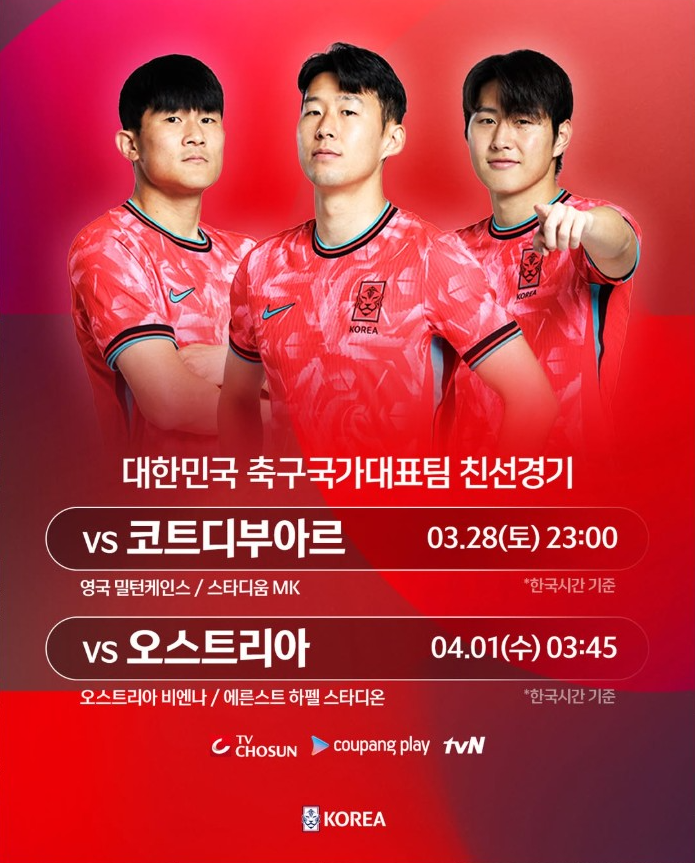 2026년 03월 28일 대한민국 코트디부아르 중계 시청하기
⬇ 2026년 03월 28일 대한민국 코트디부아르 중계시청하기???? https://m.site.naver.com/246i3???? 위치: 영국 밀턴킨스 스타디움 MK (Stad…
2026년 03월 28일 대한민국 코트디부아르 중계 시청하기
⬇ 2026년 03월 28일 대한민국 코트디부아르 중계시청하기???? https://m.site.naver.com/246i3???? 위치: 영국 밀턴킨스 스타디움 MK (Stad…
-
 내성적인 아이 리더십 어떡하죠? 명문대가 원하는 진짜 리더십의 5가지 조건
대학 입시 상담을 하다 보면 정말 자주 듣는 학부모님들의 고민입니다. 리더십이라고 하면 으레 학생회장, 캡틴, 파운더(설립자) 같은 거창한 타이틀(직책)부터 떠올리시기 때문입니다…
내성적인 아이 리더십 어떡하죠? 명문대가 원하는 진짜 리더십의 5가지 조건
대학 입시 상담을 하다 보면 정말 자주 듣는 학부모님들의 고민입니다. 리더십이라고 하면 으레 학생회장, 캡틴, 파운더(설립자) 같은 거창한 타이틀(직책)부터 떠올리시기 때문입니다…
-
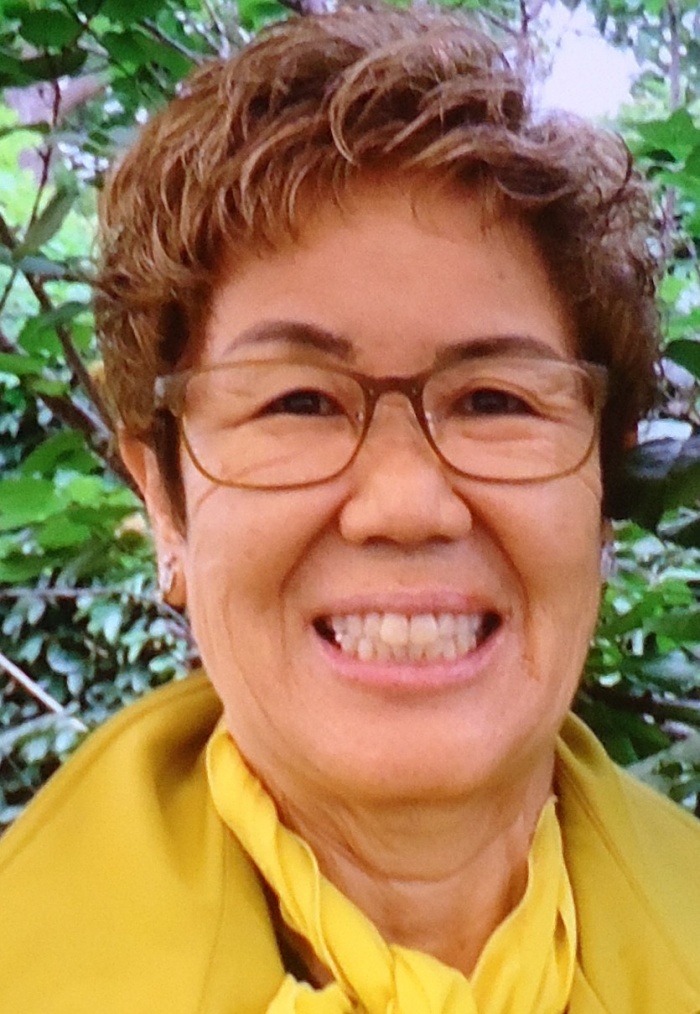 원상 회복 기원!
우리가 알고 지낸 지 1984년도에!그러고 보니 어느새 42년 되었나?이남일녀의 어머니이시며 왕성한교회생활에서도 언제나 긍정적인모습으로 일관해온 우리의 마리아바로 내일(4/2)은…
원상 회복 기원!
우리가 알고 지낸 지 1984년도에!그러고 보니 어느새 42년 되었나?이남일녀의 어머니이시며 왕성한교회생활에서도 언제나 긍정적인모습으로 일관해온 우리의 마리아바로 내일(4/2)은…
-
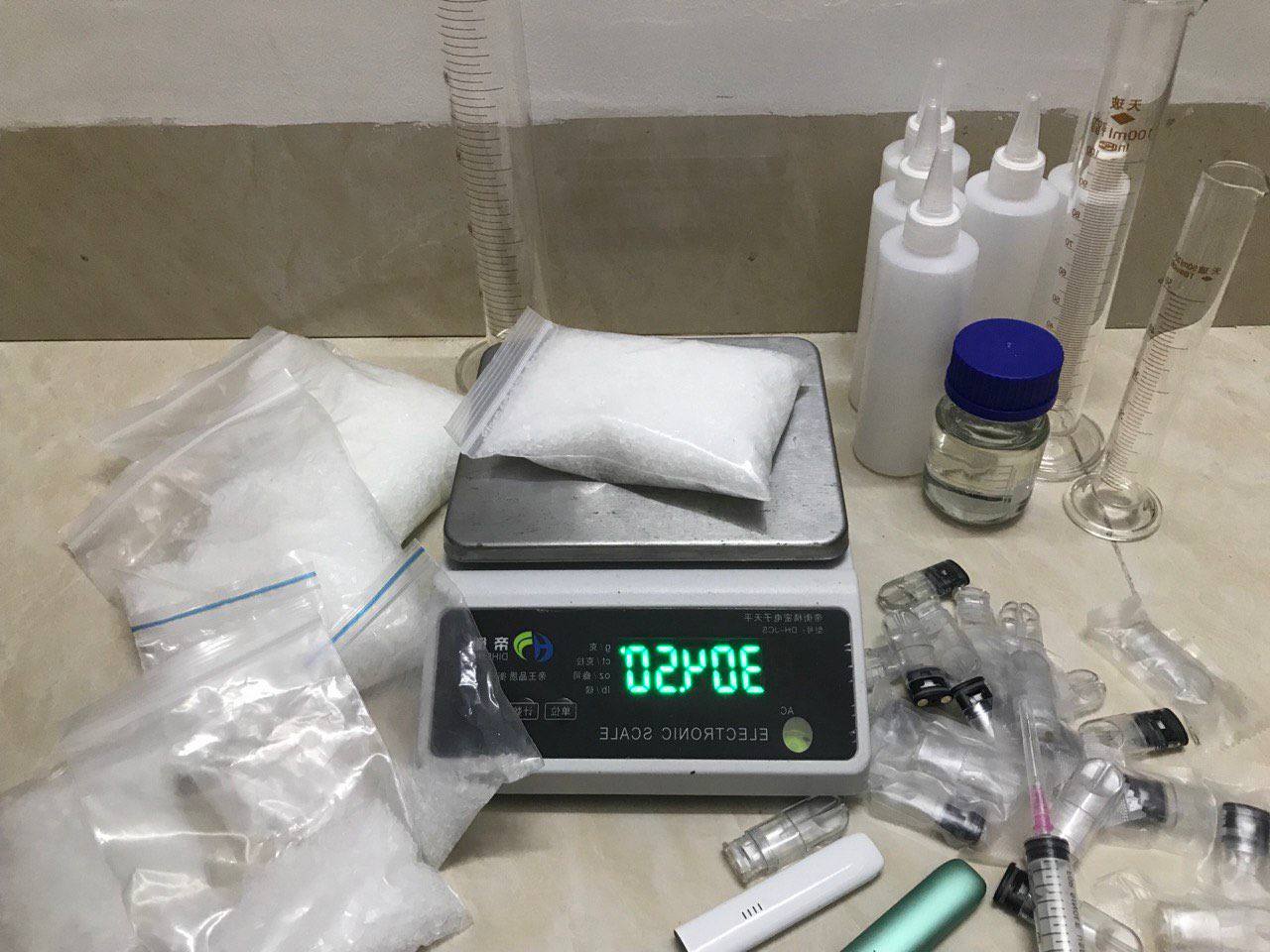 Buy Kpods Vape, buy Etomidate Pods ,order Etomidate,space oil ,CAS: 33125-97-2,order tiletamine , bu
Buy Kpods Vape, buy Etomidate Pods ,order Etomidate,space oil ,CAS: 33125-97-2,order tiletamine , b…
Buy Kpods Vape, buy Etomidate Pods ,order Etomidate,space oil ,CAS: 33125-97-2,order tiletamine , bu
Buy Kpods Vape, buy Etomidate Pods ,order Etomidate,space oil ,CAS: 33125-97-2,order tiletamine , b…
-
 곡성출장홈타이™20대™라인:LUP25™곡성유흥업소™곡성룸싸룽™곡성여대생출장안마™곡성출장만남후기™
곡성출장…
곡성출장홈타이™20대™라인:LUP25™곡성유흥업소™곡성룸싸룽™곡성여대생출장안마™곡성출장만남후기™
곡성출장홈타이™20대™라인:LUP25™곡성유흥업소™곡성룸싸룽™곡성여대생출장안마™곡성출장만남후기™곡성출장…
-
 연천≤전국구 출장안마≥라인:LUP25√연천출장콜걸√연천출장마사지√연천모텔출장알바√연천24시예약상담√
 연천≤전…
연천≤전국구 출장안마≥라인:LUP25√연천출장콜걸√연천출장마사지√연천모텔출장알바√연천24시예약상담√
연천≤전국구 출장안마≥라인:LUP25√연천출장콜걸√연천출장마사지√연천모텔출장알바√연천24시예약상담√ 연천≤전…
-
 프로의 융자노트 리버스 모기지, 무조건 좋을까요? 내 건강과 상황에 맞는 팩트 체크!
안녕하세요. 한국일보 독자 여러분 스티브 양입니다. 한국일보 컬럼에서 은퇴 후 내 집을 든든한 연금으로 활용하는 리버스 모기지의 기본 개념에 대해 알아보았습니다. 상담을 하다 …
프로의 융자노트 리버스 모기지, 무조건 좋을까요? 내 건강과 상황에 맞는 팩트 체크!
안녕하세요. 한국일보 독자 여러분 스티브 양입니다. 한국일보 컬럼에서 은퇴 후 내 집을 든든한 연금으로 활용하는 리버스 모기지의 기본 개념에 대해 알아보았습니다. 상담을 하다 …
-
 Prostate Cancer: Symptoms, Treatment & Medicine Guide for Southeast Asia
Prostate cancer is one of the most common cancers affecting men worldwide—and awareness is st…
Prostate Cancer: Symptoms, Treatment & Medicine Guide for Southeast Asia
Prostate cancer is one of the most common cancers affecting men worldwide—and awareness is st…
-
 곡성≤전국구 출장안마≥라인:LUP25√곡성출장콜걸√곡성출장마사지√곡성모텔출장알바√곡성24시예약상담√
 곡성≤전…
곡성≤전국구 출장안마≥라인:LUP25√곡성출장콜걸√곡성출장마사지√곡성모텔출장알바√곡성24시예약상담√
곡성≤전국구 출장안마≥라인:LUP25√곡성출장콜걸√곡성출장마사지√곡성모텔출장알바√곡성24시예약상담√ 곡성≤전…

Ktown1번가 대표이메일 webinfo@koreatimes.com | 업소록 문의 yp@koreatimes.com
Powered by The Korea Times. Copyright ©The Korea Times All rights reserved.